“Sorry I Drowned”: A Case When Animation and Humanitarianism Worked?
A retrospective look at the commission and making a short animated film from MSF and the Beirut-based Studio Kawakeb, from the pov of 'the client'.
Communication departments within the NGO sector are perpetually stuck between two questions: How do you consistently appeal to different types of audiences, and how do you make sure the NGO’s messages stand out in a world saturated with information?
Tasked with answering this Sphinxian riddle, communication officers end up producing an endless stream of content under unrealistic expectations: in the fastest time, with the tightest budget and demanding the highest quality. All of this is further complicated by the convoluted, bureaucratic, slow and rigid architectures of the NGO decision-making process and attempts to protect the ‘brand’.
[T]he bulk of content produced on refugees and migrants seemed to have a paradoxical counter-effect: it helped normalize this man-made calamity...
I spent four years (2015–2019) working within the communications team for Médecins sans frontières (MSF) in Beirut. During that tenure, we produced a lot of materials—from comics, exhibitions, and panel discussions to short videos, documentaries, and a renowned six-minute animated short film called “Sorry I Drowned” which was released in 2017.
At that time, most discussions on migration were and continue to be engulfed by a wave of misinformation, xenophobia, ignorance, sheer stupidity and chauvinist nationalism. There was an urgency to push back by NGOs, activists, and other groups at the time in Lebanon (at the moment, momentum has shifted to the advantage of xenophobes). Nevertheless, the bulk of content produced on refugees and migrants seemed to have a paradoxical counter-effect: it helped normalize this man-made calamity and the general clamor settled into white noise, with attention quickly going elsewhere. Not long after, the phrase “refugee fatigue” floated among media quarters and NGO offices.
In 2016, amidst this atmosphere, our team was approached by colleagues from MSF Belgium to produce an animated film on migration and try to reignite the conversation.
Why an animated film?
Animation within the humanitarian field is not a new practice. The NGO sector has primarily used animation for explainers, raising awareness, advocacy, and outreach. Generally, the relationship towards animation by NGOs is akin to commercial corporations: animation is stripped to its bare bones, and used merely as a transmitting tool.
NGOs frequently produce animation projects that mimic the style and structure of commercial advertising: short, featuring simple (arguably sterile) animation styles and designs, capping off with a hashtag or a call-to-action accompanied by the logo. Examples are plenty and often replicated, over and over again.
There are moments when animation projects done by NGOs succeed in breaking industry-wide patterns. It could be an animation’s running time, more visual and audio creativity, fully embracing an animator’s particular style, or being risqué and provocative in tone, style, or call-to-action.
Even then, one of the biggest pitfalls in animation within the NGO sector involves the very hands that create the animation. Most animated films in the NGO sector are conceived, designed and implemented by people who are disconnected or are privileged vis-à-vis the subject, i.e. Western Europeans or North Americans. These individuals also engage with the content with particular biases, usually seeking an end-product aimed towards a particular type of audience, i.e., those living in Europe or North America and of middle or upper middle classes.
Thus, you have an animation inflicted by cliché at best or has shades of misery porn or orientalism at worst, always prioritizing the NGO’s brand, missions, and actions in a positive light (i.e. the perpetual 'patting of the back').
The team and I in MSF’s Lebanon branch office were well aware of these issues afflicting NGO communications production when we were approached by our Belgian colleagues in 2016 about making an animated film. Similarly, the Belgian team was (in a very rare moment by ‘Western’ offices) sensitive to the subject, a key reason why they had come to us for the animated film rather than doing it themselves and/or commissioning an animation studio in Europe for the job.
The Process
From its very onset, the project was underscored by a desire to ‘try something new’, whatever that means.
The basic proposal was: to create, produce, and release an animated film inspired by a letter, allegedly found on a drowned Syrian refugee who attempted to cross the Mediterranean Sea for a better and safer life.
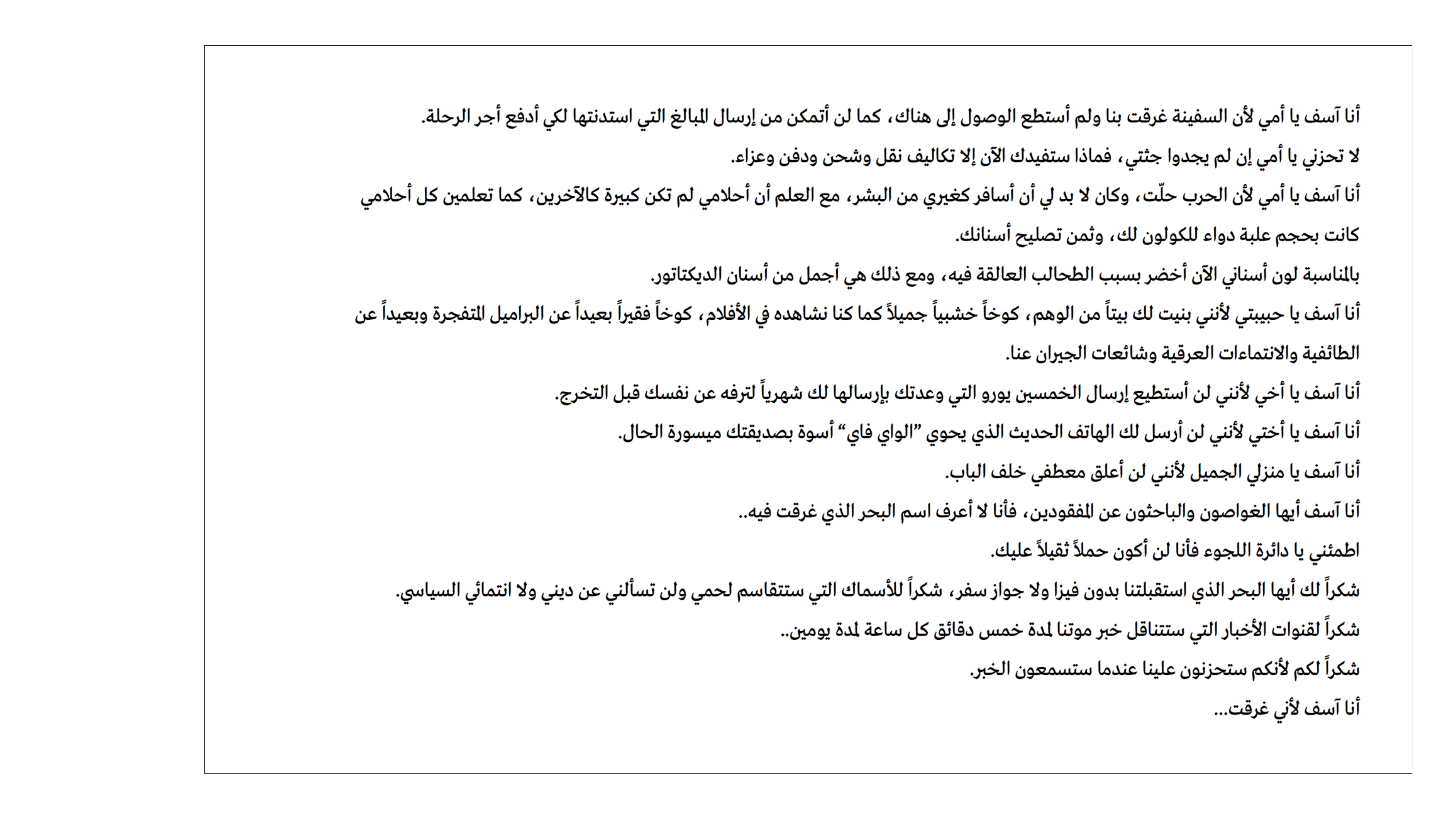
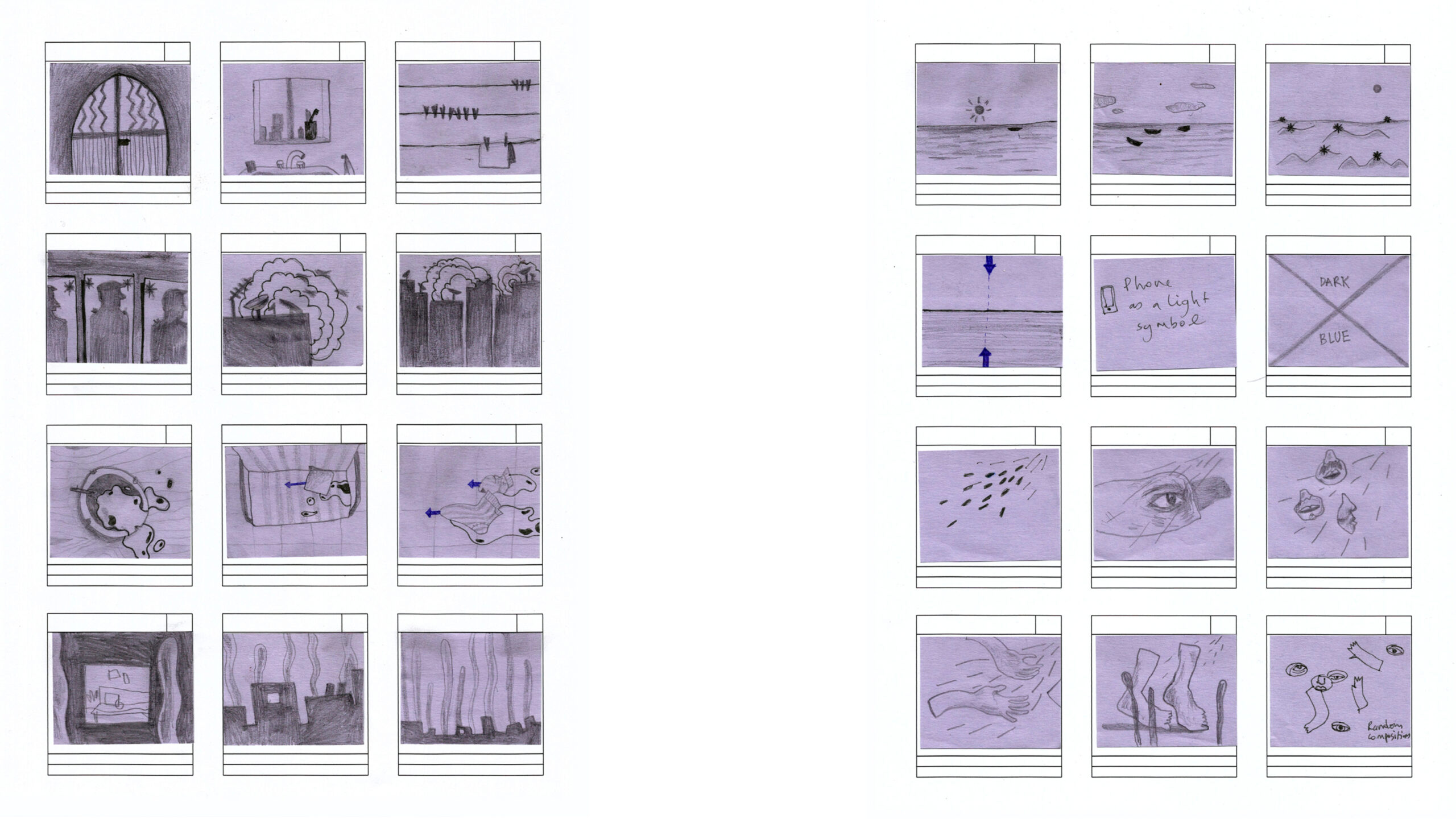
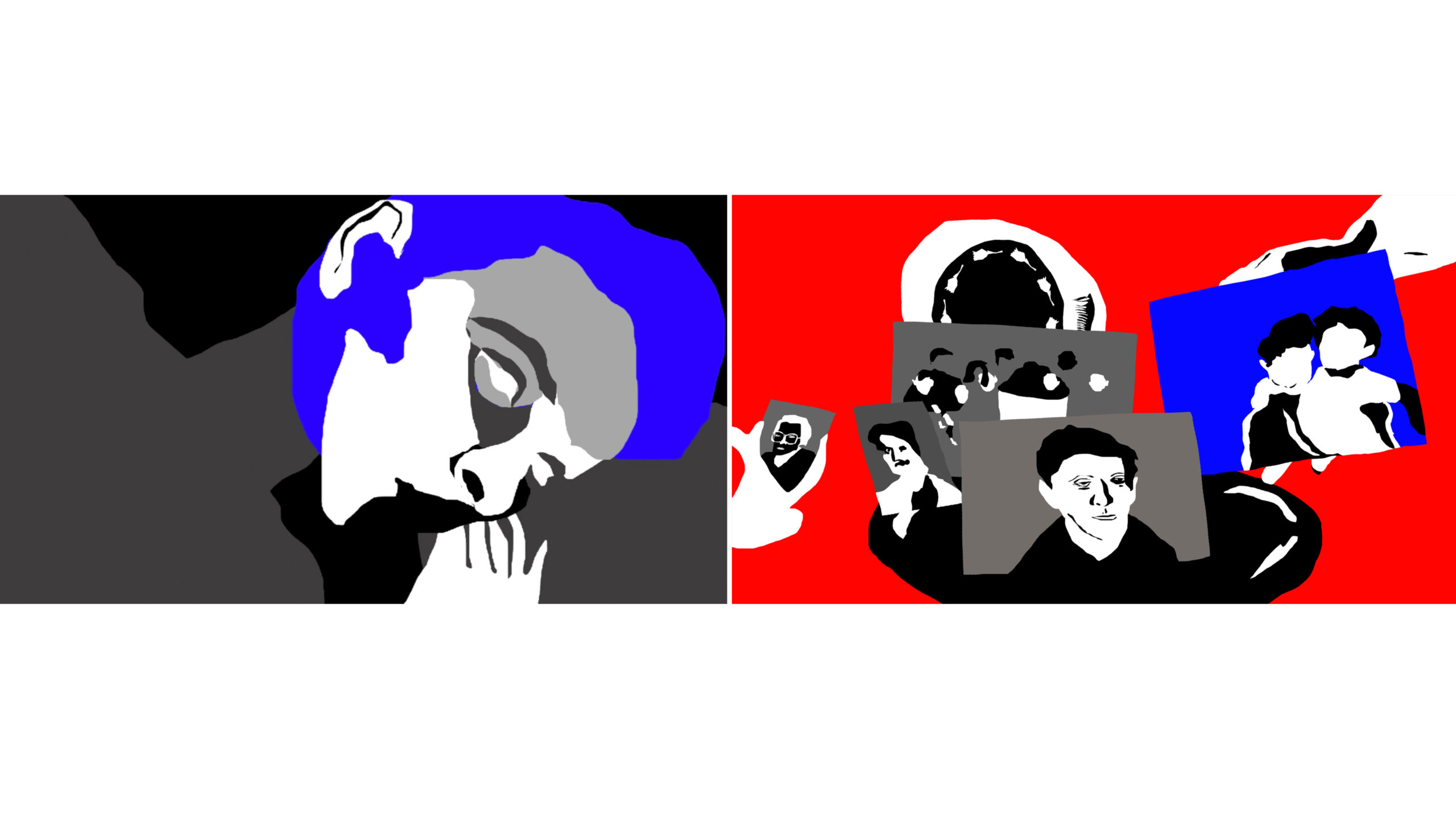
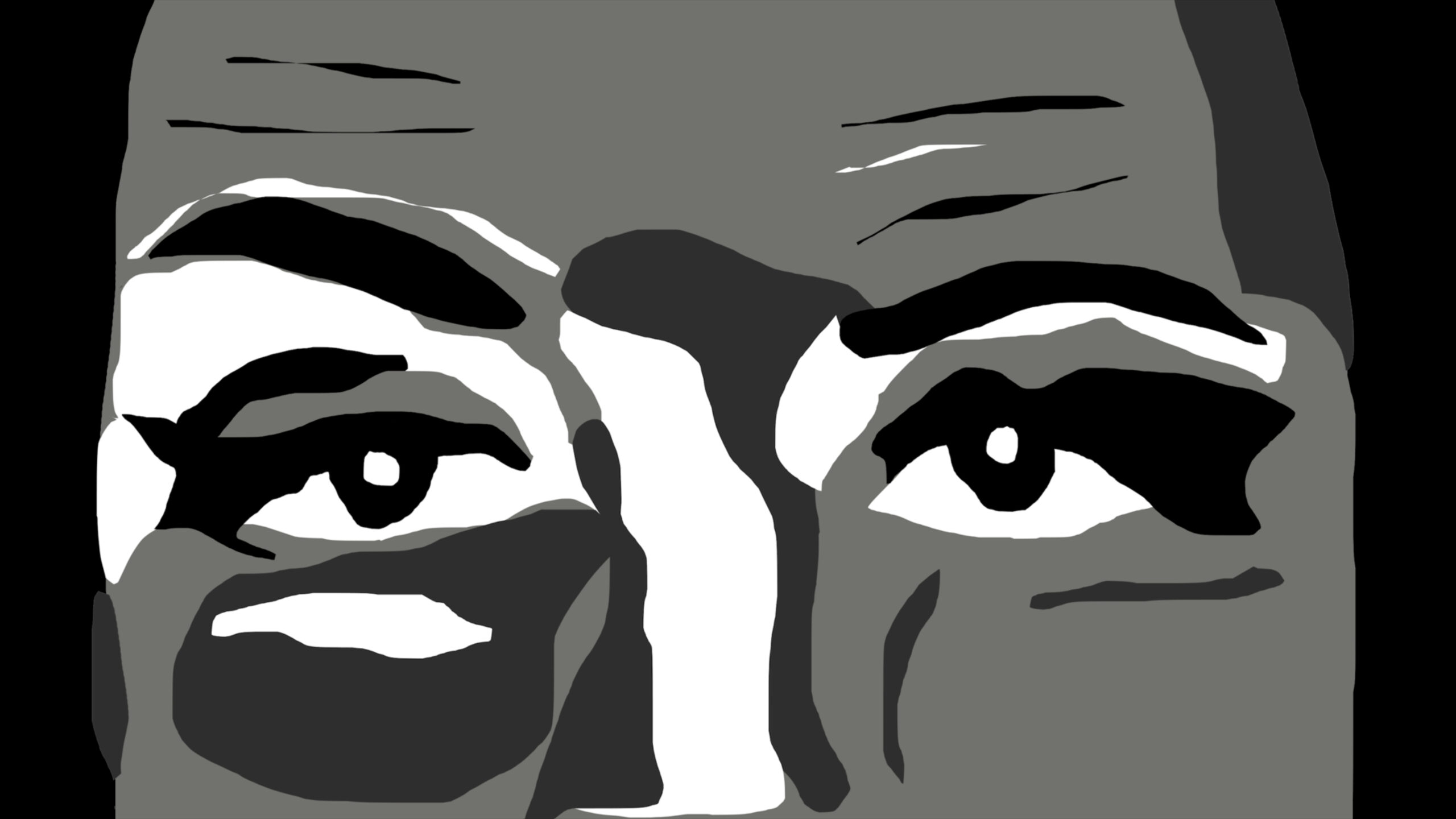
Behind-the-scenes goodies. [courtesy of David Habchy/Studio Kawakeb]
The parameters were: this is an animated film on migration; the subject is an Arabic letter; must include MSF’s messages/calls-to-action on migration; must be as universal as possible in content and outreach.
Consequently, our initial priority was finding an animation studio in Lebanon or from the region. It was important to work with a local animation studio because they could tackle migration with perspectives and considerations and emotions in ways that European or North American animation studios cannot be able to due to intimacy with the context of the subject.
Out of a handful of proposals, Studio Kawakeb was chosen because their proposal was clear and well-thought-out, indicating they understood the topic and our goals. Crucially, the animation style they proposed was the only one that went beyond the usual clean, sterile designs associated with NGO-commissioned work. They took a creative risk, standing apart from the rest, and displayed with confidence their artistic identity.
The first hurdle was the budget. Studio Kawakeb’s initial budget proposal was far beyond what MSF had in mind (typical of the stingy nature of NGO spending when it comes to work commissioned from the Global South compared to the flurry of funds thrown at studios commissioned from the ‘West’). Luckily, a compromise was reached. We removed the constraint of producing the film “as cheaply as possible” from our end, acknowledging that a special and challenging project like this demanded a degree of quality afforded by financial ease.
The second hurdle was ensuring a truly collaborative relationship with Studio Kawakeb. NGOs usually view commissioned animation studios as an appendage, to be micromanaged and controlled, rather than an autonomous group of talented animators with worthwhile ideas, opinions, and contributions to take into account. This approach often employed becomes mechanical, formal, and distant, and doesn’t allow for a fluid and more equal exchange of ideas. To avoid this, regular team meetings were set up to share ideas and provide honest feedback to ensure that Studio Kawakeb’s input was encouraged and approved on a regular basis.
During the early phase, Studio Kawakeb was given access to MSF’s resources (a media database of videos, photos, and reports), while our team actively participated in different stages of the process – from writing the script, recording the voiceover, to providing consistent feedback on the scenes as they were completed.
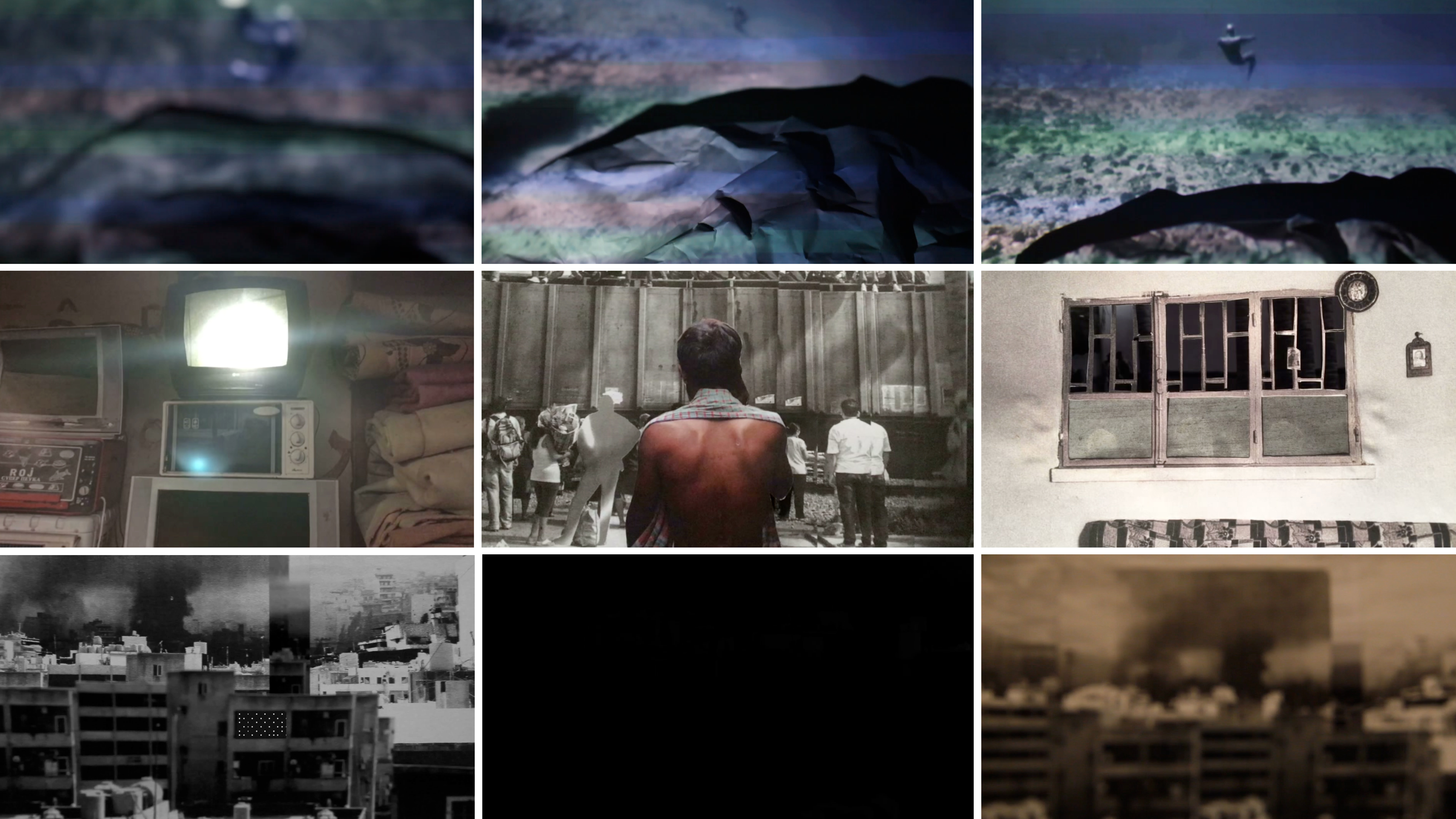
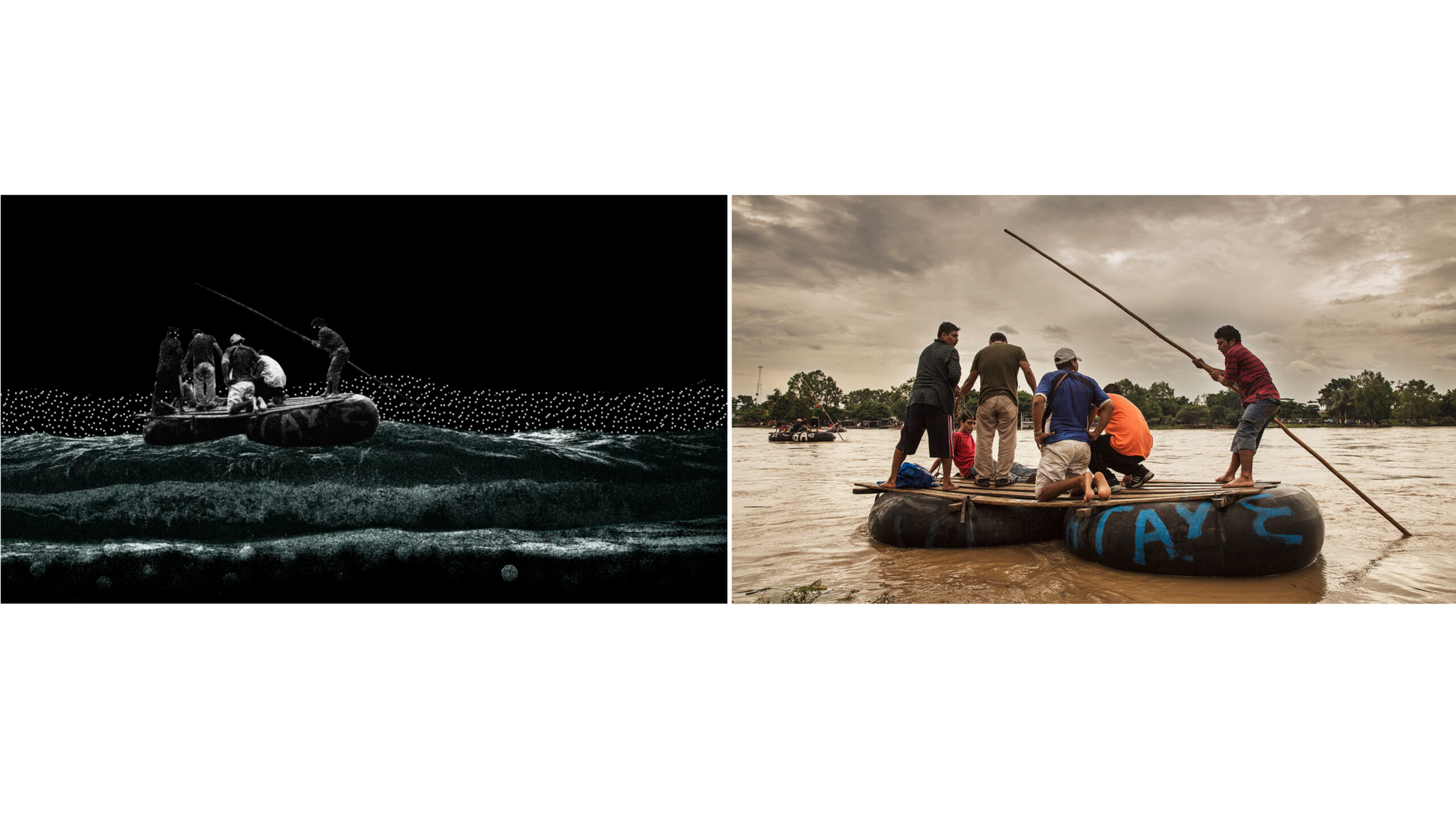
Turning to the animation style itself, here is where the successes and tensions in the collaboration were most evident. Studio Kawakeb proposed using pixels and photo manipulation, asserting that it would allow for anonymity, and achieve the universality that we desired. The animation style was certainly peculiar and distinct from the norm, which made it harder and more labor-intensive than a simpler and cleaner animation style. It was a creative risk, but we trusted Studio Kawakeb on that front (and trust is imperative in such collaborations).
One particular aspect of the film agreed upon by all from the start was language. Since the letter was written in Arabic, naturally, Arabic must be the leading language of the voice-over. This was a small act, but it was unusual in the NGO field, where most content created by international NGOs are in English and/or French and only translated to other languages as an after-thought.
Arguably, the most difficult challenges for Studio Kawakeb was balancing the tone of voice and emotions. For weeks, we discussed how the images, sounds, and text should interact. Some major concerns and ethical dilemmas arose on the use of real photos of people’s misery, and the risk of fetishizing drowning, a common flaw in the art regarding migration at the time.
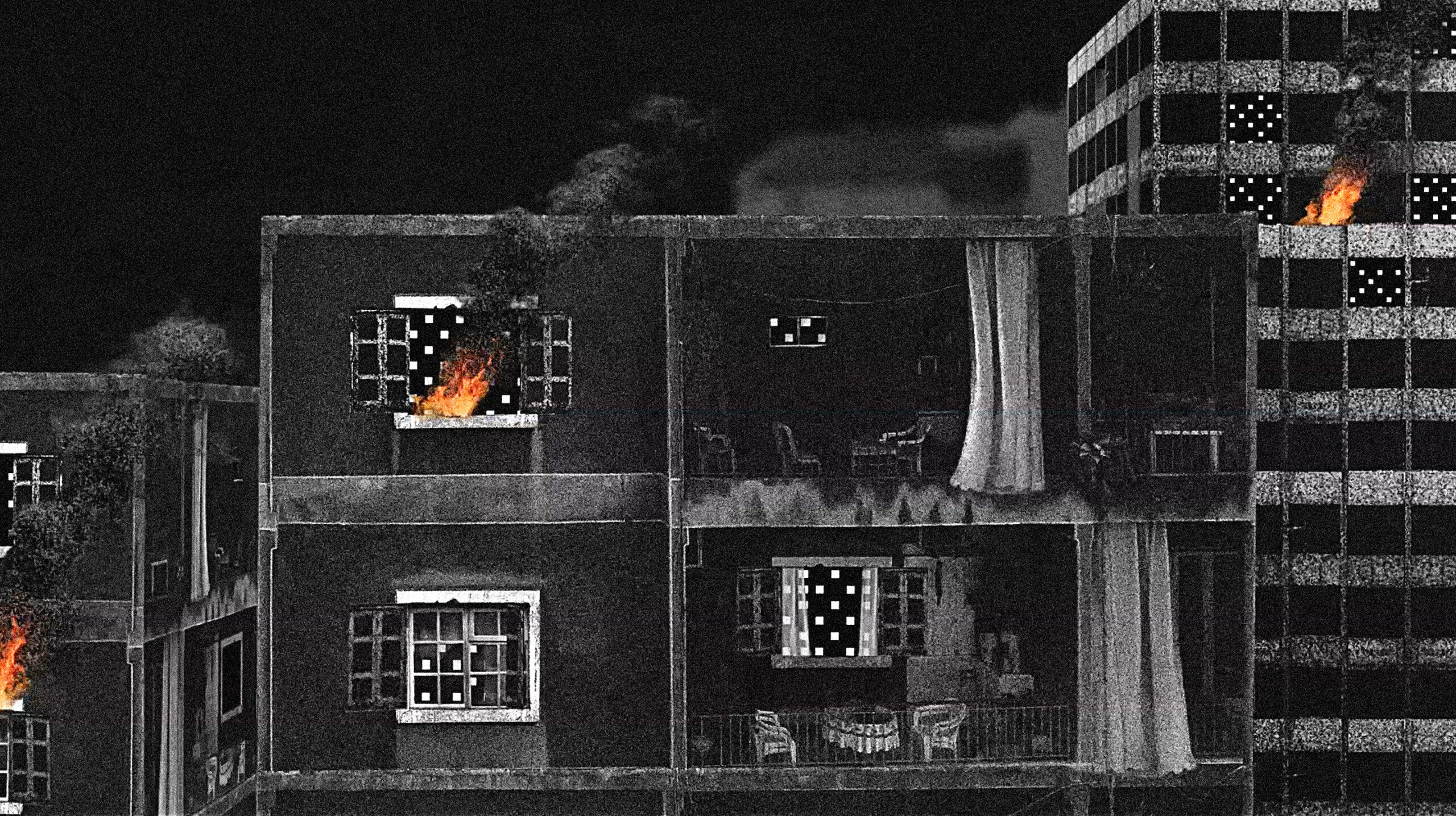
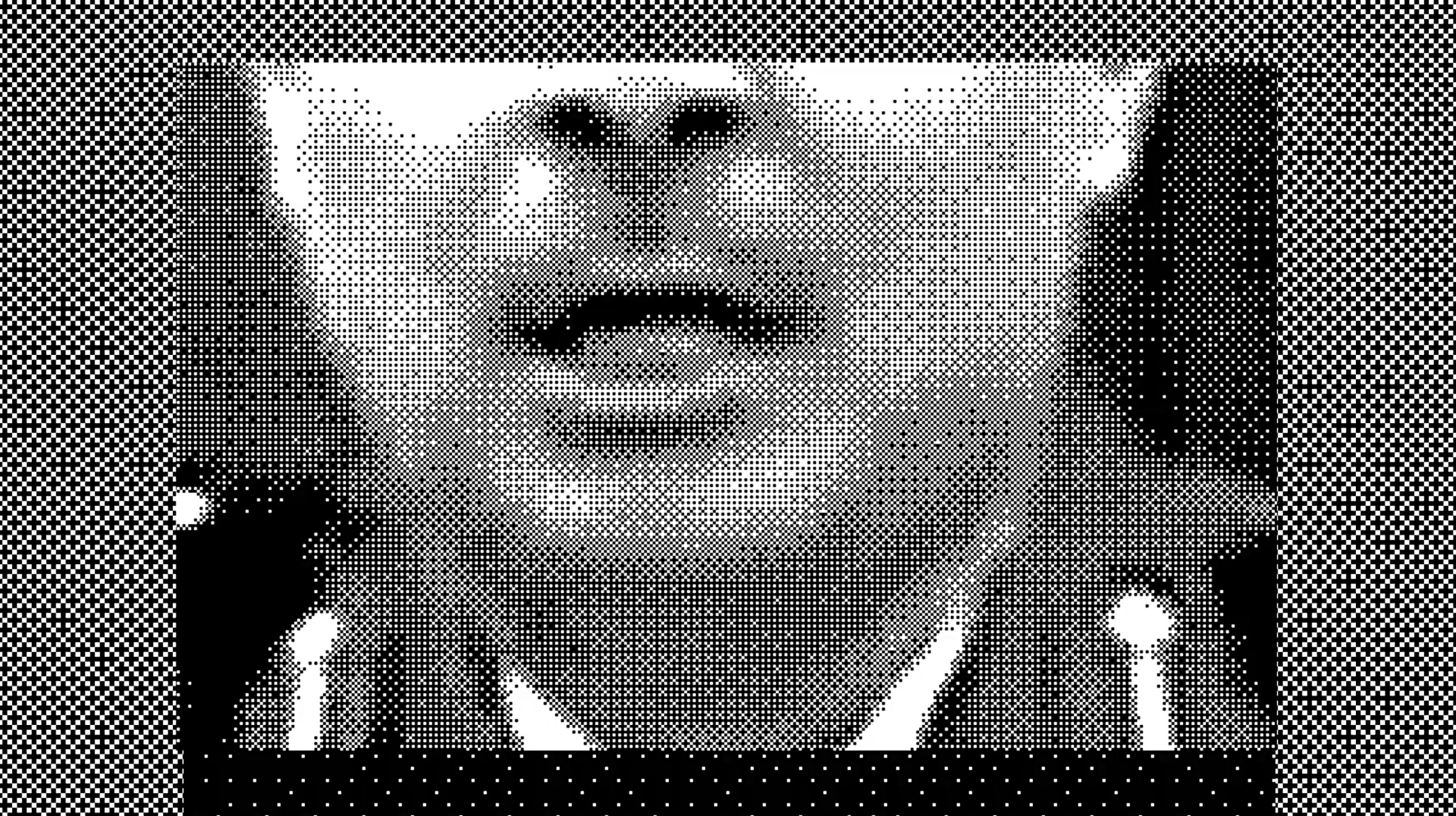
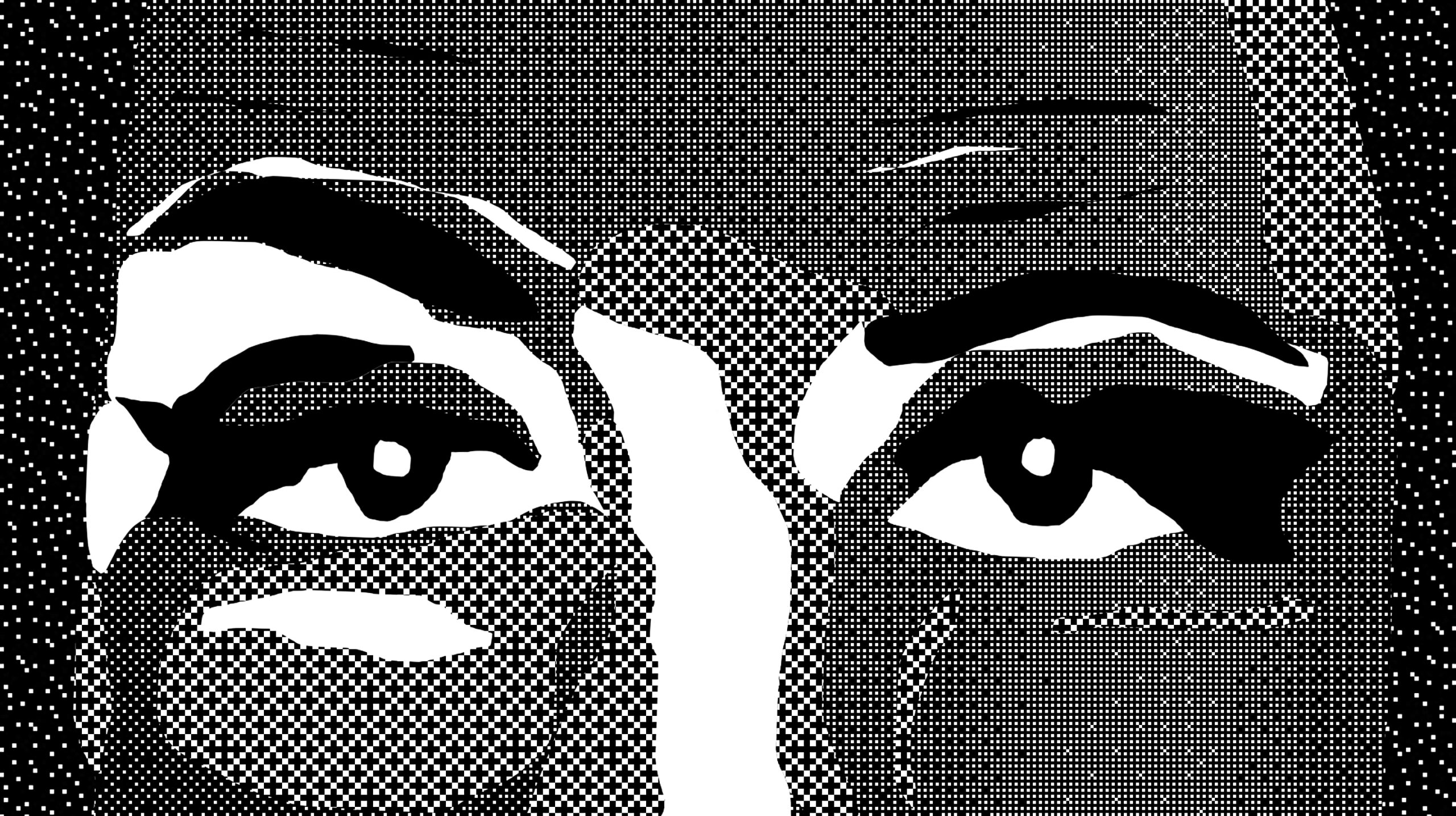
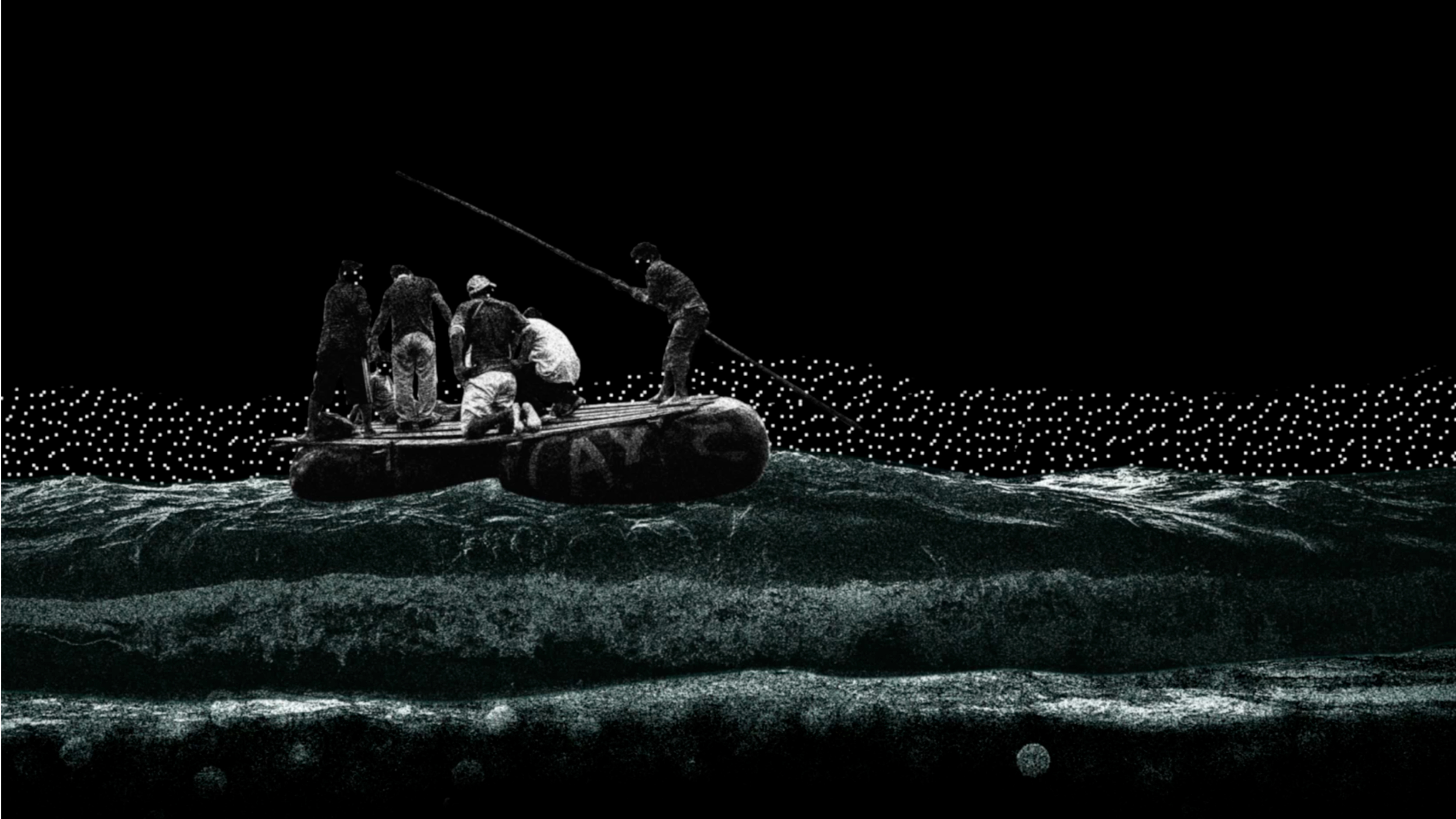
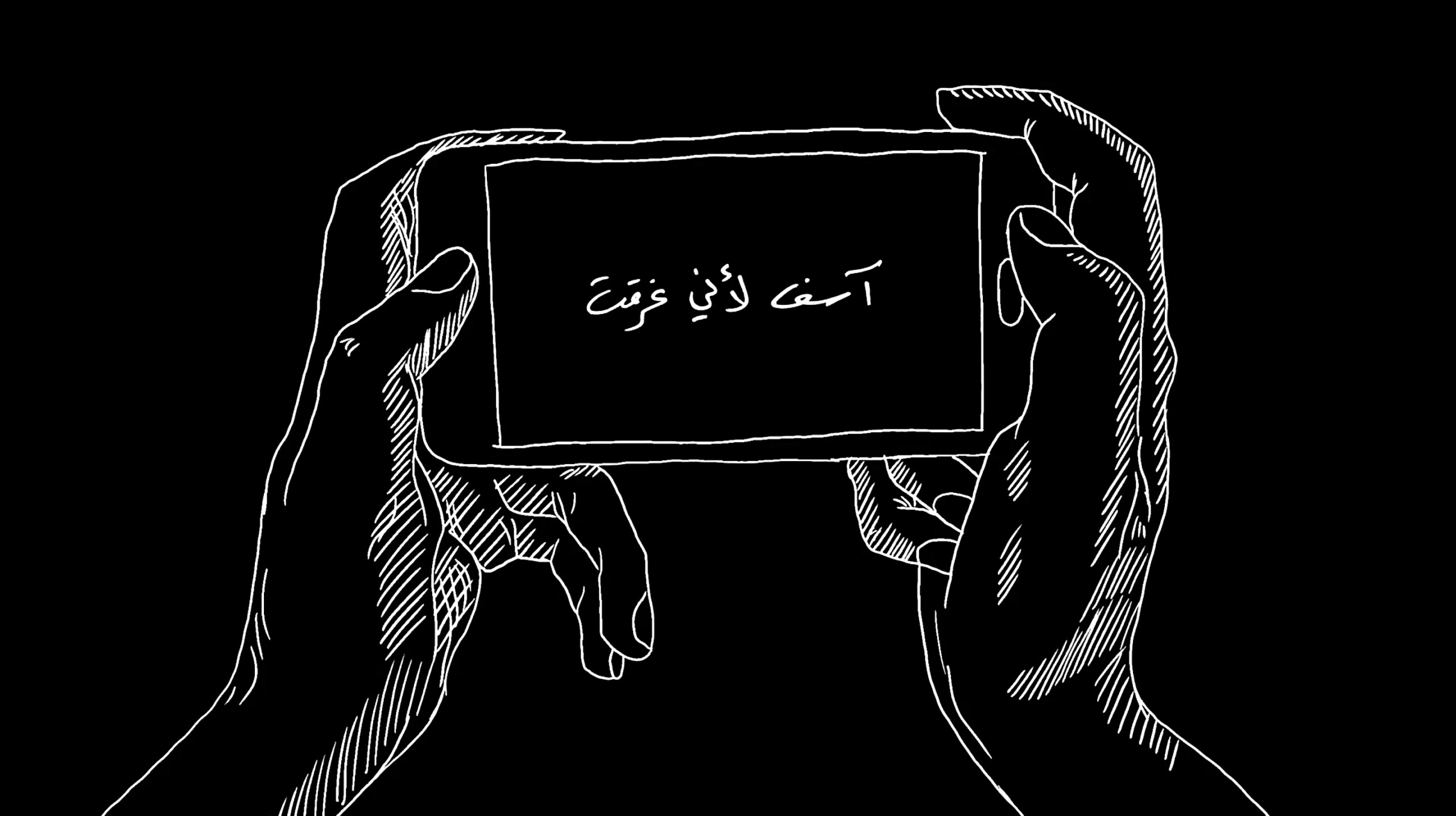
Stills from "Sorry I Drowned". [courtesy of David Habchy/Studio Kawakeb]
Certain scenes were changed or modified because we felt that they were too abstract, leaned too much into experimental, and broke the fine balance between creativity and accessibility. One proposed sequence involved going under the water, with parts of drowned bodies becoming alive once again, transforming and continuing to live under the water—provocatively creative, yet too surreal, perhaps offensive, and ultimately too far removed from realities we wanted to be anchored to. On the other hand, while we wanted a dominant soundtrack throughout the film, it was Studio Kawakeb that decided to tone down the music and have a more prominent voice-over. The entire film became more genuine, emotional, and impactful than it could have been if we had made all the decisions alone.
Balancing Cinematic Art & Communication Tool
The film took over a year to complete. By the early summer of 2017, “Sorry I Drowned” was done. Although most NGOs give around1-2 months for short animation films and 3–6 months for longer works (absolute madness, in my humble opinion), our team was at least aware that the extra time was crucial for Studio Kawakeb. It allowed them room to reflect, experiment with styles, make mistakes, tries something else, and finally bloom.
The final result was a six-minute animated film. The next step was dissemination, where we promoted a modular form of distribution. Subtitled into multiple languages, the film was showcased in different cities, art shows, and classrooms. It was uploaded to YouTube and MSF websites and had private and public screenings in theaters. It was also sent to various film festivals (animation, short films, human rights festivals, etc.) and was used alongside panel discussions on live TV.
The animation style, particularly the anonymity of faces, the lack of distinct characters, and how the letter was deconstructed by visuals that weren’t as grounded, allowed viewers to open up to the subject. Additionally, while the film alludes to the Mediterranean migratory experience, the overall messaging asserted a global perspective and was relevant during panel discussions in North America related to the horrific Central American route or in Southeast Asia concerning the heinous Asia-Pacific routes.
[T]he short film is a very scarce example, but it does show that this is possible and the biggest onus is on the client to enable this.
The film did resonate with wide-ranging audiences from South Korea to Jordan, Canada to South Africa, and it did so, in my opinion, by making people feel uncomfortable. In most screenings, the audience remained deathly silent once the screen went black at the end. That fact alone, especially for Studio Kawakeb and my team, meant that it was a success.
Working on this short film showed us that excellent talent is abundant in our region. They need and deserve spaces, resources, and trust to flourish. As creatives, it taught us that bending and breaking the rules and norms is always worth considering. All in all, “Sorry I Drowned” is a case study of a rare moment in which an animated cinematic form and NGO communications can partner up in a positive and constructive way; the short film is a very scarce example, but it does show that this is possible and the biggest onus is on the client to enable this.
But I am biased. So you tell me, did this film work?
Categories: Analysis