[ Naseej ] Khoula Al Mujaini on Building a Regional Animation Marketplace in Sharjah
The Executive Director of the Sharjah Animation and Comics Conference on bringing publishers and producers to the same table, opening the room to the whole region, and what's coming this October.
Khoula Al Mujaini knows the value of a good reveal. When asked what SACC has in store for its 2026 edition this October, she only says: "I’ll tell you after the opening." It is a storyteller's instinct, and it runs through her career.
Al Mujaini grew up in Sharjah, and her career has grown with its cultural ambitions. At the Sharjah Book Authority, she rose from trainee to Director of Events. Animation came through her nephews: looking at what they watched, she saw how little of it was made in the region. A determined, solution-oriented mind does not stop at observation. We can make our own content, she concluded.
A meeting with Pietro Pinetti, CEO of Studio Bozzetto and artistic director of Bergamo Animation Days, turned that conviction into a project. Born within the Sharjah Children's Reading Festival, the Conference became a standalone event for professionals, and last December, the Sharjah Animation and Comics Conference (SACC).
SACC is one answer to a question asked across the region: how do we build an animation industry that tells our own stories? From Casablanca to Cairo to Al Qods, studios, festivals, schools and platforms are answering it, each a thread in a larger fabric. At Mt7rk, we believe that fabric deserves to be documented, and questioned. Naseej (نسيج, weave) meets the people weaving the region’s animation industry, and asks who funds it, who it reaches, and who is still left out. This interview with Khoula Al Mujaini is the inaugural piece.
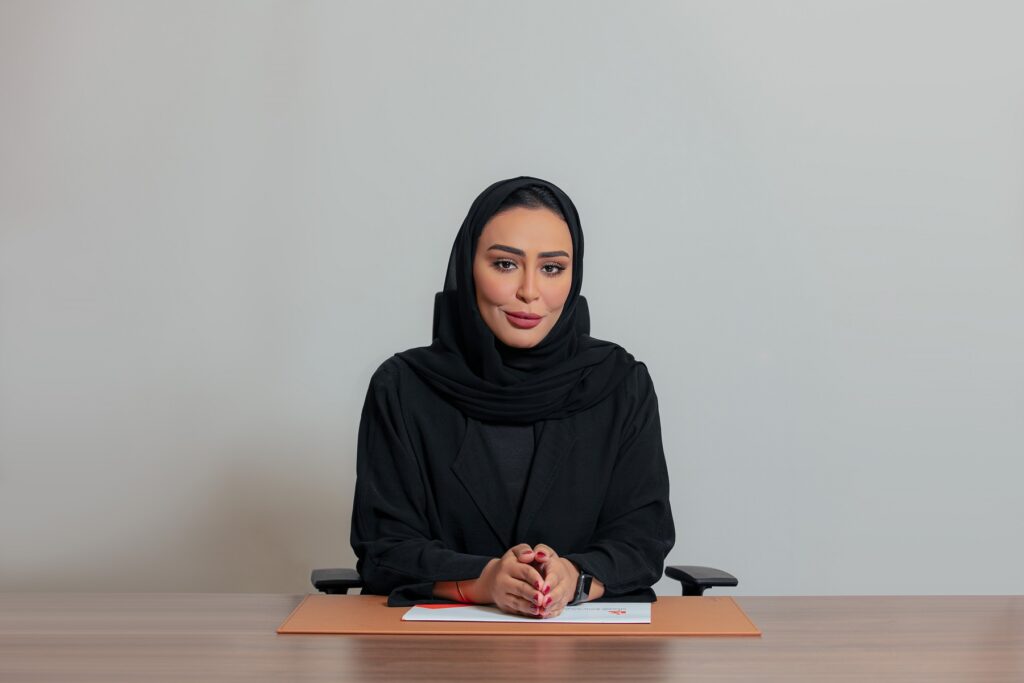
Khoula Al Mujaini, Executive Director of the Sharjah Animation and Comics Conference. Credits: SACC
Salam Khoula, and welcome to Mt7rk!
Khoula Al Mujaini: Salam, and thank you for having me.
We’re happy to launch our new series on the region’s animation ecosystems with you. You are the Executive Director of the Sharjah Animation and Comics Conference. Could you tell us a bit about this initiative?
Khoula Al Mujaini: At the Sharjah Book Authority, we believe books are linked to everything in our lives. And at the heart of every book is a story. Animation is another way of telling those stories, and many of the best animated films begin as books. So for us, the link was natural. When we studied the market, we saw that animation in the region was untapped. The talent was there, but opportunities for support were limited. We saw an opportunity to help develop the industry, and to support the publishers, animators and illustrators who can create content for our children, and for all of us. Our ambition is for the region to own its voice, and to tell its own stories.
Why bring comics under the same roof this year?
Khoula Al Mujaini: We wanted to expand what we offer, and become a hub for all creatives in the wider industry: illustrators, comic artists, animators, publishers.
So, a Comic-Con for the region?
Khoula Al Mujaini: It’s a different format. Our focus is on industry professionals and supporting the development of the animation and comics sector.
Think back to the animations you grew up with. How much of them came from our region?
Khoula Al Mujaini: Very little. I grew up watching Japanese animation, which somehow matched our cultures. But when I look at what children are exposed to nowadays, I know we can make our own animation, for our own kids.
Animated production in the region remains scarce, why is that still the case?
Part of our mandate is education: teaching publishers how to make deals with producers, and building the connection between them.
Khoula Al Mujaini
Khoula Al Mujaini: I think there are two main reasons: limited support and gaps in industry knowledge.
Animation in the MENA region has received relatively limited institutional support, and there has been a need for greater coordination across the industry.
On knowledge — over the past editions cof the Conference, we noticed opportunities between producers and publishers, the people producers should be getting their content from. So part of our mandate is education: teaching publishers how to make deals with producers, and building the connection between them.
What exactly is missing in that relationship?
Khoula Al Mujaini: The connection, and knowledge on the publishers’ side. How to approach producers, how to prepare a pitch, how to choose the right books to put forward. Producers need an educational side too, on how to work with publishers in the Arab region.
Historically, there is another missing link: broadcasters. Arab channels have long preferred dubbing proven series, from Grendizer to Paw Patrol and Peppa Pig, over the risk of funding original ones. And unlike Europe, with its co-productions between countries, the region never found an economic model of its own. Where does the Conference stand on this?
Khoula Al Mujaini: This is one of the areas we hope to contribute to. We have held round tables with broadcasters from all around the world, and we strongly support co-production. We invite broadcasters from the UAE, from across MENA and beyond, to make that connection happen at the Conference. We also invite more than 150 media outlets, for coverage but also for business. We try to provide the platform, and the education, to fill this gap.
SACC is a conference, not a festival. Many people expect an animation event to mean screenings. What is the difference?
Khoula Al Mujaini: That is why we insisted on calling it a conference. It mainly supports professionals in this industry. We can have side activities for audiences and fans, but our focus is the professional format. It is an opportunity for people in the industry to meet, exchange knowledge, do business, reach agreements, and connect with people from all around the world. It is a platform, not a festival. And it won’t only be an event at one time of year. What we are trying to build is much bigger than that.
Has a project been born at the Conference, already released or in development?
Khoula Al Mujaini: Yes, though I can’t say much yet. But I can see the Conference bearing fruit. Not only in the projects we will reveal at the upcoming edition, but also in demand: the number of companies and artists who want to take part.
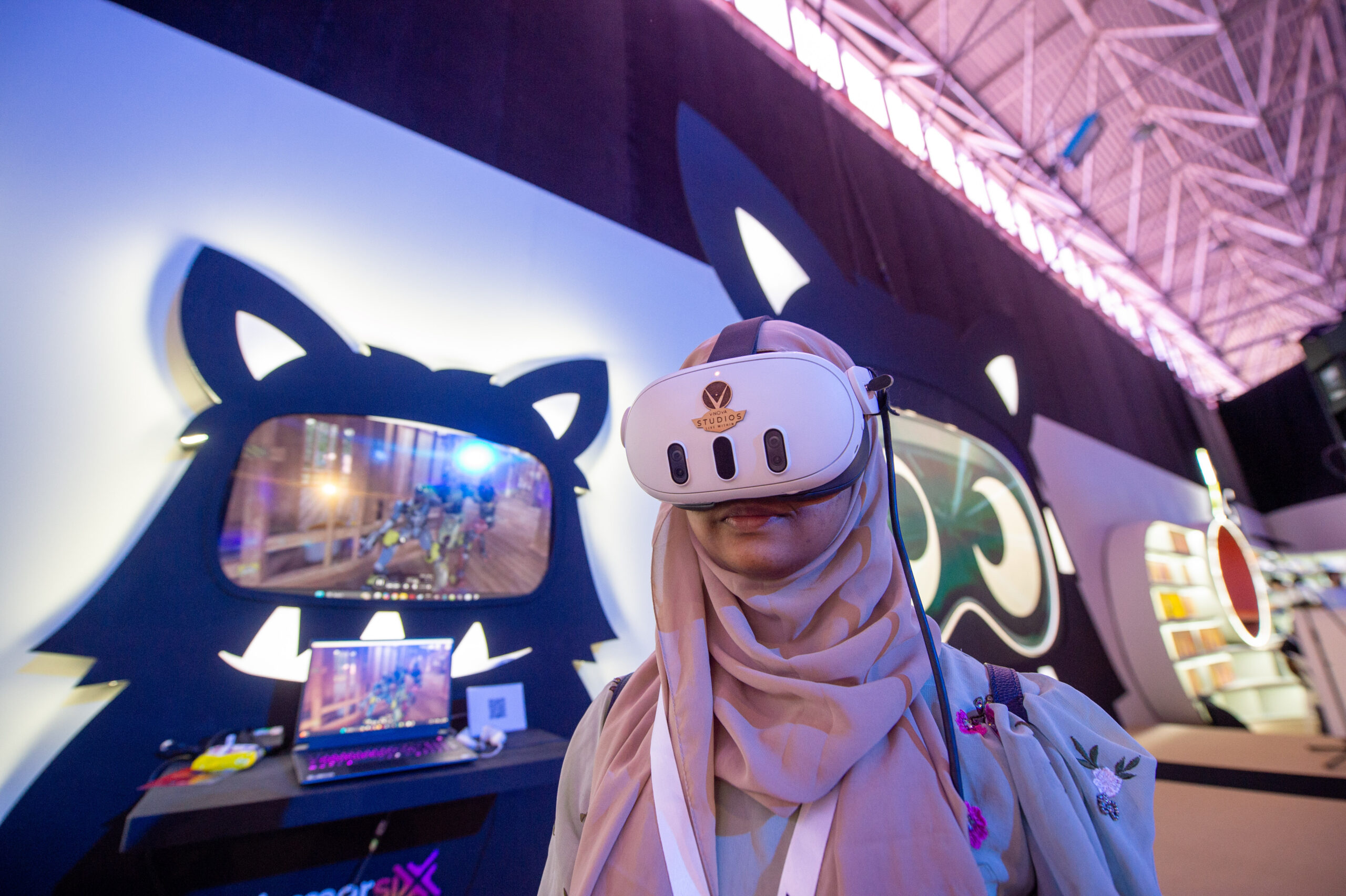
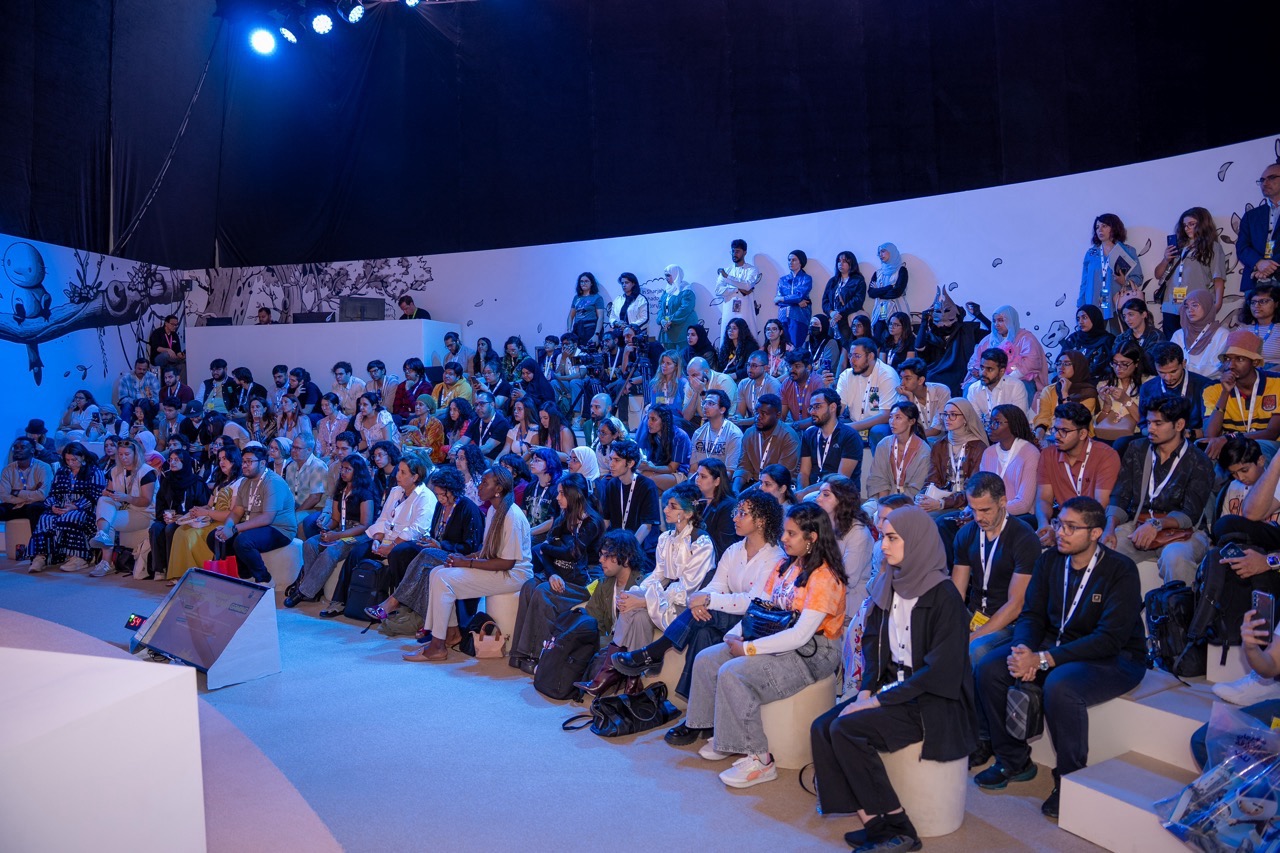
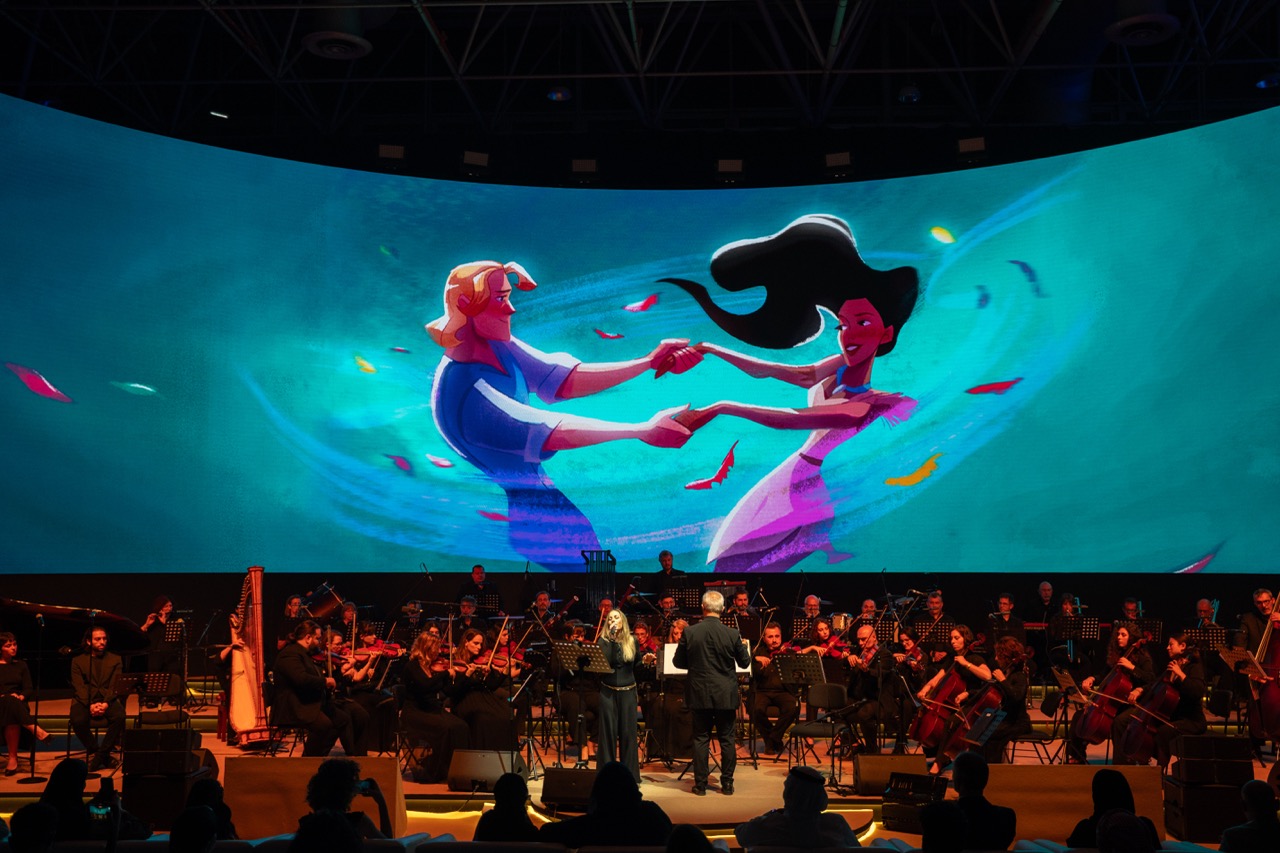
Credits: SACC
At Annecy this year, we met many people from Morocco, Egypt and Tunisia. There is real energy building across the region, through initiatives at very different scales. How does SACC position itself alongside that momentum?
Khoula Al Mujaini: We would always love to work with them. The Conference is not only for the UAE; it is for the whole MENA region. I would love to sit down with the directors of other animation festivals and have a proper discussion about how we can all work together to support this industry.
If we, as Arabs, could all come together in one place and work on a strategy for how to produce our own animation, how to tell our own stories, that would be great. Not only for this generation, but for the future.
Khoula Al Mujaini
Building these ecosystems together is also how knowledge spreads, and how people realise there is a scene they can exist in. Animation is not only for children, or for one nationality.
Khoula Al Mujaini: I would say animation is a universal language, for everyone to understand everyone. That is what we should focus on. If we, as Arabs, could all come together in one place and work on a strategy for how to produce our own animation, how to tell our own stories, that would be great. Not only for this generation, but for the future.
Back to education. Beyond workshops and masterclasses at events, what still needs to happen at an institutional level, year-round? Not only professional skills like pitching, but training in the craft itself.
Khoula Al Mujaini: I’ll tell you after the opening!
Many of your speakers come from outside the region, from studios like Disney, with very different budgets, infrastructure and scale. How does their expertise translate for creators here, where the infrastructure is still being built?
Khoula Al Mujaini: It is their opportunity to learn. That is the main reason we invite these talents: to bring that knowledge to content creators from the MENA region. At the same time, we create connections between Arab creators and international producers. The purpose is to create opportunity, business if possible, and at the very least learning. We also give them one-to-one meetings. And this is exclusive for you: this year, we are introducing a portfolio review, for animators who want to meet those artists and learn from them.
Animation education is still scarce in the region’s universities, and many students learn online. Who is SACC’s target audience?
Khoula Al Mujaini: All animators, at every level. And all storytellers and illustrators, at every level. Anyone in the animation industry should be there. We usually get visitors from Jordan, Saudi Arabia, Bahrain and Kuwait. Hopefully this year, inshallah, people will come from across the whole MENA region.
Beyond the event itself, and awards for animators and publishers, what support do you provide year-round?
Khoula Al Mujaini: We will announce some projects at the Conference that I can’t talk about yet.
With so many studios, festivals and conferences emerging, if someone mapped the region’s animation industry today, what would surprise them most?
Khoula Al Mujaini: That we are not telling our stories.
[ نسيج ] خولة المجيني: نحو سوق إقليمية للتحريك في الشارقة
المديرة التنفيذية لمؤتمر الشارقة للرسوم المتحركة والقصص المصورة تتحدّث عن جمع الناشرين والمنتجين حول طاولة واحدة، وفتح الأبواب أمام المنطقة كلها، وما يحمله شهر أكتوبر.
تعرف خولة المجيني قيمة الكشف في توقيته المناسب. حين سُئلت عمّا يحمله مؤتمر الشارقة للرسوم المتحركة والقصص المصورة في دورته لعام ٢٠٢٦ هذا أكتوبر، اكتفت بالقول: «سأخبركم بعد الافتتاح». إنها غريزة الحكّاءة، وهي حاضرة في مسيرتها كلها.
نشأت المجيني في الشارقة، ونمت مسيرتها مع طموحات الإمارة الثقافية. في هيئة الشارقة للكتاب، تدرّجت من متدرّبة إلى مديرة للفعاليات. أمّا التحريك، فجاءها عبر أبناء إخوتها: حين نظرت إلى ما يشاهدونه، لاحظت كم هو قليل ما يُصنع منه في المنطقة. لكنّ عقلًا مصمّمًا، يبحث دائمًا عن الحلول، لا يتوقّف عند الملاحظة. «يمكننا أن نصنع محتوانا بأنفسنا»، هكذا خلصت.
لقاءٌ مع بيترو بينيتي، الرئيس التنفيذي لاستوديو بوتزيتو والمدير الفني لمهرجان أيام برغامو للتحريك، حوّل هذه القناعة إلى مشروع. وُلد المؤتمر في كنف مهرجان الشارقة القرائي للطفل، ثم استقلّ فعاليةً قائمة بذاتها موجّهة إلى المحترفين، قبل أن يصبح في ديسمبر الماضي مؤتمر الشارقة للرسوم المتحركة والقصص المصورة.
المؤتمر إجابة واحدة عن سؤال يُطرح في أنحاء المنطقة: كيف نبني صناعة تحريك تروي حكاياتنا؟ من الدار البيضاء إلى القاهرة إلى القدس، تجيب عنه استوديوهات ومهرجانات ومدارس ومنصّات، كلٌّ منها خيط في نسيج أكبر. في متحرك، نؤمن بأن هذا النسيج يستحق أن يُوثَّق، وأن يُسائَل. «نسيج» تلتقي بمن ينسجون صناعة التحريك في المنطقة، وتسأل: من يموّلها، ومن تصل إليه، ومن لا يزال خارجها. وهذه المقابلة مع خولة المجيني هي الحلقة الأولى من السلسلة.
السلام عليكم خولة، وأهلًا بكِ في متحرك!
خولة المجيني: وعليكم السلام، وشكرًا على الاستضافة.
يسعدنا أن نطلق معكِ سلسلتنا الجديدة عن منظومات التحريك في المنطقة. أنتِ المديرة التنفيذية لمؤتمر الشارقة للرسوم المتحركة والقصص المصورة. هل يمكنكِ أن تحدّثينا قليلًا عن هذه المبادرة؟
خولة المجيني: في هيئة الشارقة للكتاب، نؤمن بأن الكتب مرتبطة بكل شيء في حياتنا. وفي قلب كل كتاب حكاية. والتحريك طريقة أخرى لرواية هذه الحكايات، وكثير من أجمل أفلام التحريك بدأت كتبًا. لذلك كان الربط بينهما طبيعيًا بالنسبة إلينا. حين درسنا السوق، وجدنا أن قطاع التحريك في المنطقة غير مستثمَر. المواهب موجودة، لكن الدعم غائب. فقرّرنا أن نأخذ زمام المبادرة، وأن ندعم الناشرين وصنّاع التحريك والرسّامين القادرين على إنتاج محتوى لأطفالنا، ولنا جميعًا. طموحنا أن تمتلك المنطقة صوتها، وأن تروي حكاياتها بنفسها.
لماذا ضمّ القصص المصورة إلى المؤتمر هذا العام؟
خولة المجيني: أردنا توسيع ما نقدّمه، وأن نصبح منصّة جامعة لكل المبدعين في هذه الصناعة بمعناها الأوسع: الرسّامين، وفنّاني القصص المصورة، وصنّاع التحريك، والناشرين.
إذًا، «كوميك كون» للمنطقة؟
خولة المجيني: لا، ليس «كوميك كون». تركيزنا يبقى على المحترفين، وعلى بناء الصناعة.
عودي بذاكرتكِ إلى أفلام الكرتون التي كبرتِ عليها. كم منها جاء من منطقتنا؟
خولة المجيني: القليل جدًا. قضيتُ طفولتي مع مسلسلات التحريك اليابانية، التي كانت، بطريقة ما، قريبة من ثقافاتنا. لكن حين أنظر إلى ما يُعرَض على الأطفال اليوم، أعرف أننا قادرون على صنع تحريكنا الخاص، لأطفالنا.
لا يزال إنتاج التحريك في المنطقة نادرًا. لماذا؟
خولة المجيني: أعتقد أن هناك سببين: الدعم، والمعرفة.
على صعيد الدعم، لم يكن هناك أي دعم للتحريك في منطقة الشرق الأوسط وشمال أفريقيا، لا من الحكومات ولا من أي مؤسسة. ولم تكن هناك مظلّة رسمية للتحريك في المنطقة.
وعلى صعيد المعرفة، لاحظنا خلال الدورات الماضية من المؤتمر وجود فجوة بين المنتجين والناشرين، أي الجهات التي يُفترض أن يستمدّ منها المنتجون محتواهم. لذلك فإن جزءًا من مهمّتنا هو التعليم: تعليم الناشرين كيف يعقدون الصفقات مع المنتجين، وبناء الجسور بين الطرفين.
ما الذي ينقص هذه العلاقة تحديدًا؟
خولة المجيني: التواصل، والمعرفة لدى الناشرين. كيف يتواصلون مع المنتجين، وكيف يُعدّون عرضًا، وكيف يختارون الكتب المناسبة لتقديمها. والمنتجون أيضًا بحاجة إلى جانب تعليمي، حول كيفية العمل مع الناشرين في المنطقة العربية.
تاريخيًا، هناك حلقة مفقودة أخرى: القنوات التلفزيونية. لطالما فضّلت القنوات العربية دبلجة مسلسلات أثبتت نجاحها، من «غرندايزر» إلى «دوريات المخلاب» و«بيبا بيغ»، على المجازفة بتمويل أعمال أصلية. وعلى عكس أوروبا، بإنتاجاتها المشتركة بين الدول، لم تجد المنطقة نموذجًا اقتصاديًا خاصًا بها. أين يقف المؤتمر من ذلك؟
خولة المجيني: هذه هي الفجوة التي نحاول سدّها. نظّمنا طاولات مستديرة مع قنوات تلفزيونية من مختلف أنحاء العالم، ونحن ندعم الإنتاج المشترك بقوة. ندعو قنوات من الإمارات، ومن منطقة الشرق الأوسط وشمال أفريقيا وخارجها، لتحقيق هذا التواصل في المؤتمر. كما ندعو أكثر من ١٥٠ وسيلة إعلامية، للتغطية، ولكن أيضًا لعقد الأعمال. نحاول أن نوفّر المنصّة، والتعليم، لسدّ هذه الفجوة.
المؤتمر مؤتمرٌ وليس مهرجانًا. كثيرون يتوقّعون أن تعني فعالية التحريك عروضًا للأفلام. ما الفرق؟
خولة المجيني: لهذا السبب أصررنا على تسميته مؤتمرًا. فهو يدعم في الأساس المحترفين في هذه الصناعة. يمكن أن تكون هناك أنشطة جانبية للجمهور والمعجبين، لكن تركيزنا على الطابع المهني. إنه فرصة لأهل هذه الصناعة كي يلتقوا، ويتبادلوا المعرفة، ويعقدوا الأعمال، ويبرموا الاتفاقيات، ويتواصلوا مع أشخاص من مختلف أنحاء العالم. إنه منصّة، لا مهرجان. ولن يقتصر على فعالية في وقت محدّد من السنة. ما نسعى إلى بنائه أكبر من ذلك بكثير.
هل وُلد مشروع في المؤتمر، سواء صدر أو لا يزال قيد التطوير؟
خولة المجيني: نعم، لكن لا أستطيع قول الكثير بعد. غير أنني أرى المؤتمر يؤتي ثماره. ليس فقط في المشاريع التي سنكشف عنها في الدورة المقبلة، بل أيضًا في حجم الإقبال: عدد الشركات والفنانين الذين يريدون المشاركة.
في مهرجان أنسي هذا العام، التقينا بكثيرين من المغرب ومصر وتونس. هناك طاقة حقيقية تتشكّل في أنحاء المنطقة، عبر مبادرات بأحجام مختلفة جدًا. كيف يموضع المؤتمر نفسه إلى جانب هذا الزخم؟
خولة المجيني: يسعدنا دائمًا العمل معهم. فالمؤتمر ليس للإمارات وحدها، بل لمنطقة الشرق الأوسط وشمال أفريقيا كلها. أودّ أن أجلس مع مديري مهرجانات التحريك الأخرى، وأن نتناقش جديًا في كيفية العمل معًا لدعم هذه الصناعة.
بناء هذه المنظومات معًا هو أيضًا ما ينشر المعرفة، وما يجعل الناس يدركون أن هناك مشهدًا يمكنهم أن يكونوا جزءًا منه. فالتحريك ليس للأطفال وحدهم، ولا لجنسية بعينها.
خولة المجيني: أقول إن التحريك لغة عالمية، يفهم بها الجميع بعضهم بعضًا. وهذا ما يجب أن نركّز عليه. لو استطعنا، نحن العرب، أن نجتمع في مكان واحد ونعمل على استراتيجية لإنتاج تحريكنا الخاص، ولرواية حكاياتنا بأنفسنا، فسيكون ذلك رائعًا. ليس لهذا الجيل فحسب، بل للمستقبل أيضًا.
لنعد إلى التعليم. بعيدًا عن ورش العمل والدروس المتقدّمة في الفعاليات، ما الذي لا يزال ينبغي أن يحدث على المستوى المؤسسي، وعلى مدار العام؟ ليس فقط المهارات المهنية كتقديم العروض، بل التدريب على الحرفة نفسها.
خولة المجيني: سأخبركم بعد الافتتاح!
كثير من المتحدّثين لديكم يأتون من خارج المنطقة، من استوديوهات مثل ديزني، بميزانيات وبنى تحتية وأحجام مختلفة تمامًا. كيف تُترجَم خبرتهم إلى فائدة للمبدعين هنا، حيث لا تزال البنية التحتية قيد البناء؟
خولة المجيني: إنها فرصتهم للتعلّم. هذا هو السبب الرئيسي لدعوتنا هذه المواهب: نقل تلك المعرفة إلى صنّاع المحتوى في منطقة الشرق الأوسط وشمال أفريقيا. وفي الوقت نفسه، نبني جسورًا بين المبدعين العرب والمنتجين الدوليين. الغاية هي خلق الفرص: فرص عمل إن أمكن، وفرص تعلّم على الأقل. كما نتيح لهم لقاءات فردية. وهذا خبر حصري لكم: هذا العام، نطلق مراجعة لملفات الأعمال، لصنّاع التحريك الذين يرغبون في لقاء هؤلاء الفنانين والتعلّم منهم.
لا يزال تعليم التحريك محدودًا في جامعات المنطقة، وكثير من الطلاب يتعلّمون عبر الإنترنت. من هو جمهور المؤتمر المستهدف؟
خولة المجيني: جميع صنّاع التحريك، على اختلاف مستوياتهم. وجميع الحكّائين والرسّامين، على اختلاف مستوياتهم. كل من يعمل في صناعة التحريك يجب أن يكون حاضرًا. عادةً يأتينا زوّار من الأردن والسعودية والبحرين والكويت. ونأمل هذا العام، إن شاء الله، أن يأتي الناس من منطقة الشرق الأوسط وشمال أفريقيا كلها.
بعيدًا عن الفعالية نفسها وجوائزها لصنّاع التحريك والناشرين، ما الدعم الذي تقدّمونه على مدار العام؟
خولة المجيني: سنعلن في المؤتمر عن مشاريع لا أستطيع الحديث عنها الآن.
مع ظهور هذا العدد من الاستوديوهات والمهرجانات والمؤتمرات، لو رسم أحدهم اليوم خريطة لصناعة التحريك في المنطقة، فما الذي سيفاجئه أكثر؟
خولة المجيني: أننا لا نروي حكاياتنا.
Categories: Naseej نسيج