Taking Flight with Tic Motion’s “The Paper Plane”
"The Paper Plane" is an animated short film that tells the tale of Jad, an 8-year-old boy who dreams of becoming a pilot but struggles with dysphasia and dyslexia. mt7rk joins Tic Motion to discuss how this project took flight.
Tic Motion is a motion design and animation studio based in Beirut set up by Pamela Farhat and Michel Doumit that tackles projects from "the initial concept to the final edit and everything in between".
Among their ever-growing portfolio is "The Paper Plane", a 5-min animated short that was part of the grantees of the Art by the CLES program established by the Lebanese Center for Special Education.
mt7rk recently had the opportunity to discuss with Tic Motion's members about the film, their studio, and their experiences in motion design and animation:
Could you provide a brief description/synopsis of your latest project?
"The Paper Plane," tells the story of Jad, an 8-year-old boy who loves to make paper airplanes and wants to be a pilot when he grows up. He also happens to have dysphasia with dyslexia. This means he faces some difficulties in speaking and reading. His story and the barriers faced on his first days of school are seen through the eyes of Jana, his classmate who becomes his friend. In her storytelling, Jana takes the viewers on a journey to discover learning difficulties, as perceived by a child. She shows how through understanding, adaptation and support, children can be agents of change in their schools and in their communities and promote inclusive education for all learners.
Give us an overview of yourselves and Tic Motion Studio.
We are a Beirut-based motion design and creative direction duo who founded Tic Motion studio in 2008. We have grown since then and make up a team of four. We also collaborate with freelancers all over the world. We try to craft meaningful and creative work. We love handcrafted emotional stories that talk about people. We feed on contemporary illustration and the international animation scene.
We simply want to create good work with good people for good people and possibly grow along the way while maintaining a good work/personal balance.
What was the project's brief? What did the client want and what was the creative process you used?
"The Paper Plane" was made thanks to the Art by CLES program put in place by the Lebanese Center for Special Education (CLES) The only brief they gave us was to make a film that features people with learning difficulties. Apart from that, we could do the film we wanted. Projects like that don’t come along very often, to say the least.
"The Paper Plane" aims to increase awareness about learning difficulties. It also highlights diversity and cherishes the unique talents of children, such as Jad’s talent for making paper planes. But most importantly, the movie aims to provide the audience with “tips and tools” to practice inclusion in everyday life in their own settings. This can be shown by how Jana gradually discovers how to accommodate Jad’s difficulties and invites her peers to do the same.
The movie ends with a call for everyone to join Jana and Jad in the fight for inclusion.
Walk us through your process and the key techniques you used to bring your ideas forward in the animation.
The film uses a mix of After Effects animation and traditional frame-by-frame animation. We are big traditional animation fans. Whenever the budget and timeframe of a project allow us to do so we like to go that route. When it comes to illustration-based animation, it is by far the technique that best allows for conveying emotions. Characters animated by hand are very expressive and feel organic.
Unfortunately, we don’t get to go that route often enough. Most of our projects are fast-paced. And frame by frame animation is too time-consuming and isn’t flexible enough for most commercial projects where client feedback is involved.
Our visual language also uses abstraction. A clear example would be the scenes with the teacher. She is seen as an abstract floating head. She becomes huge when asking Jad a question. We tried to visualize how he feels when confronted with an uncomfortable situation.
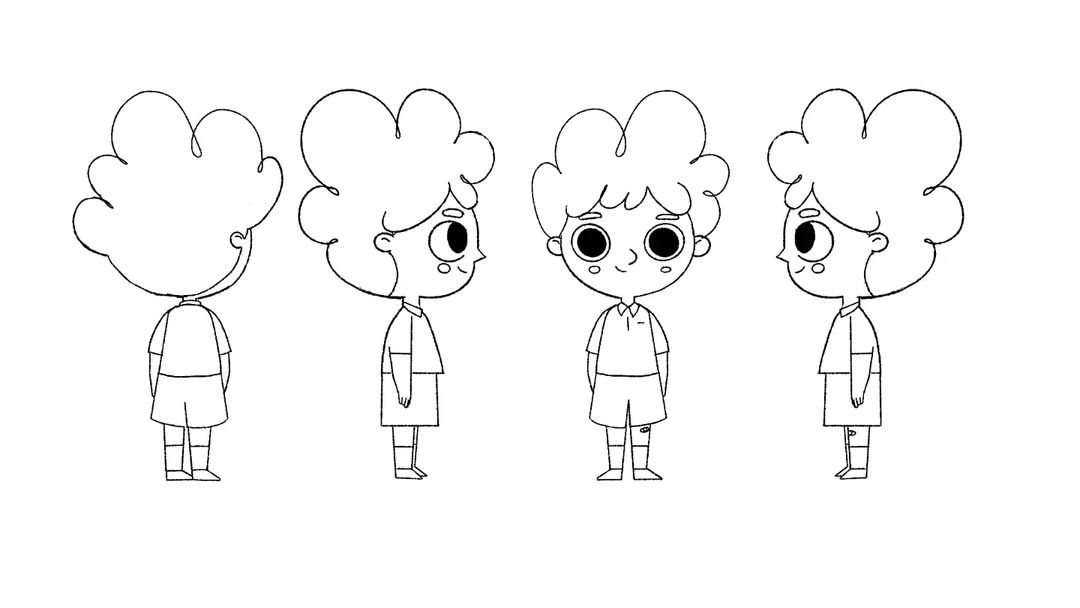
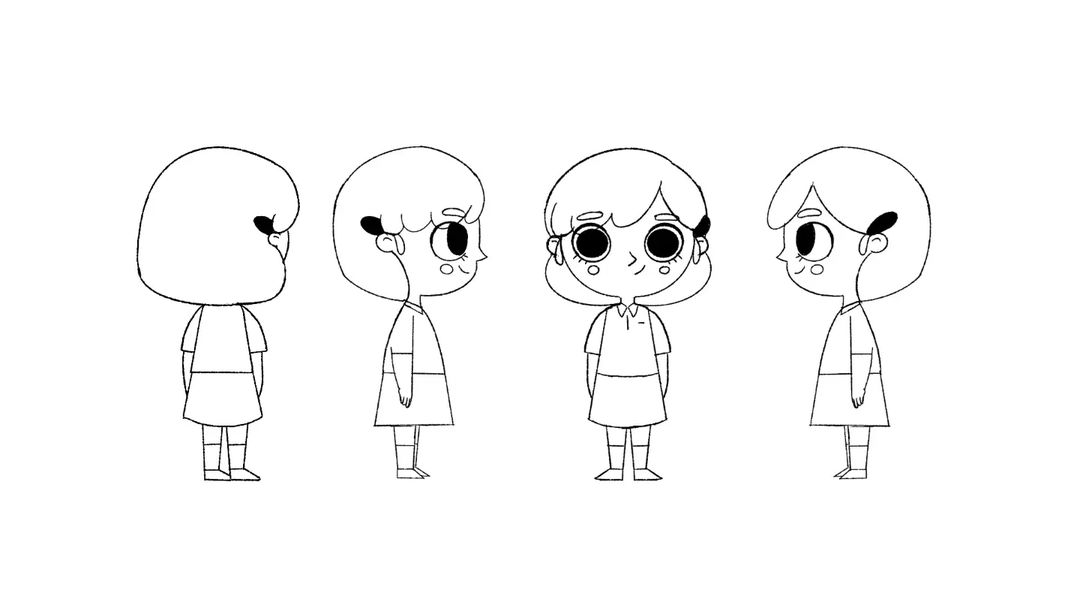
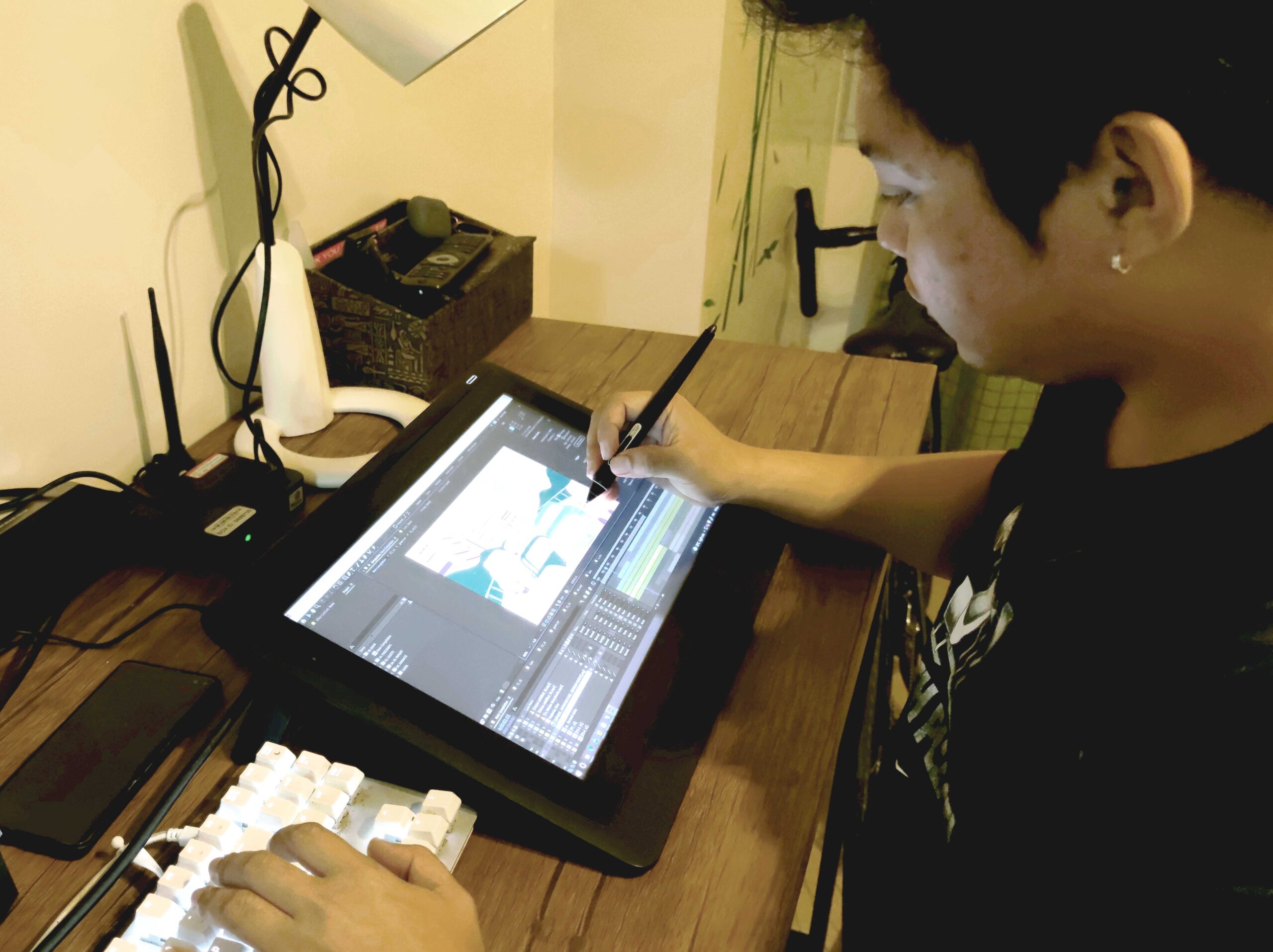
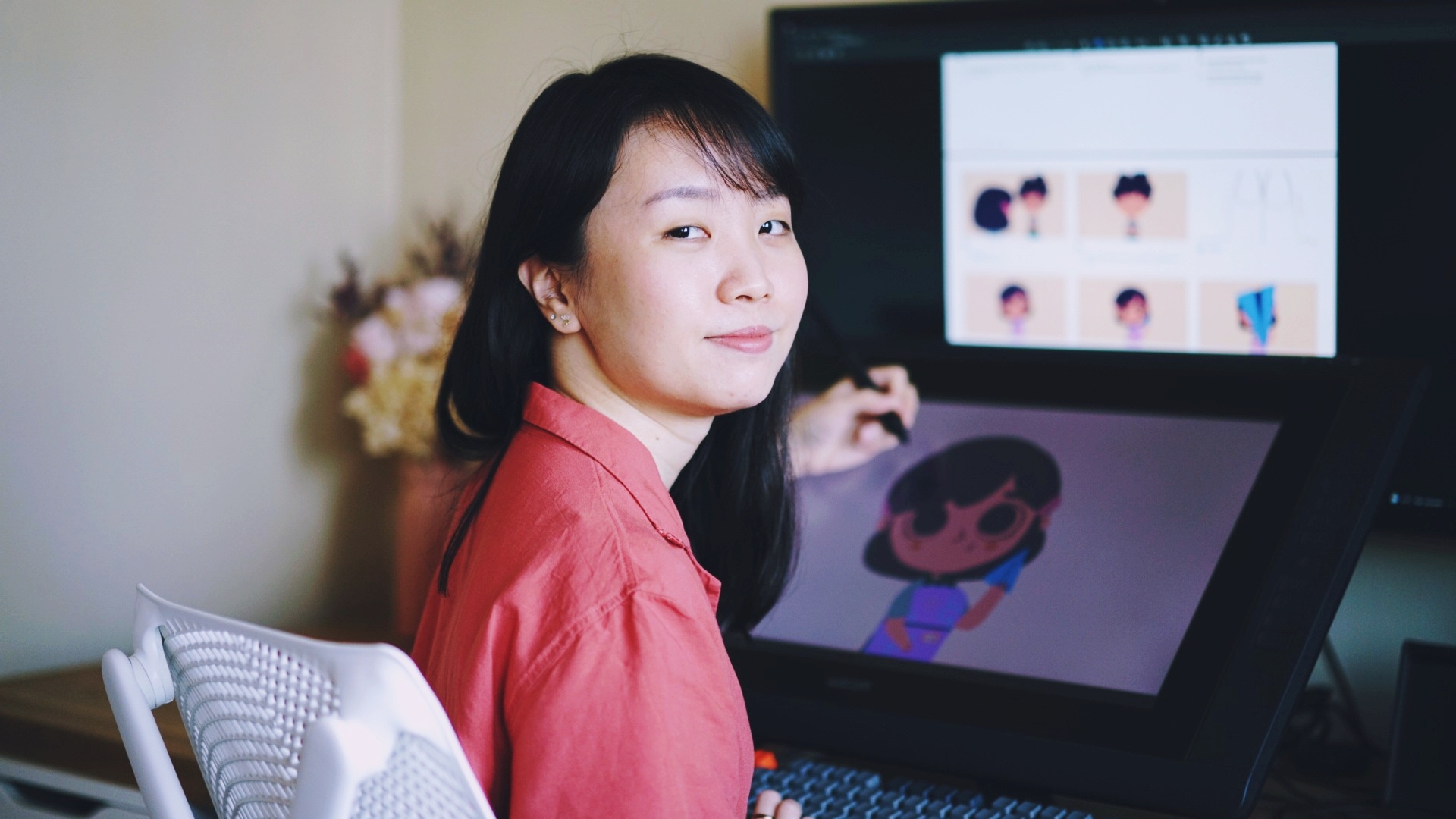
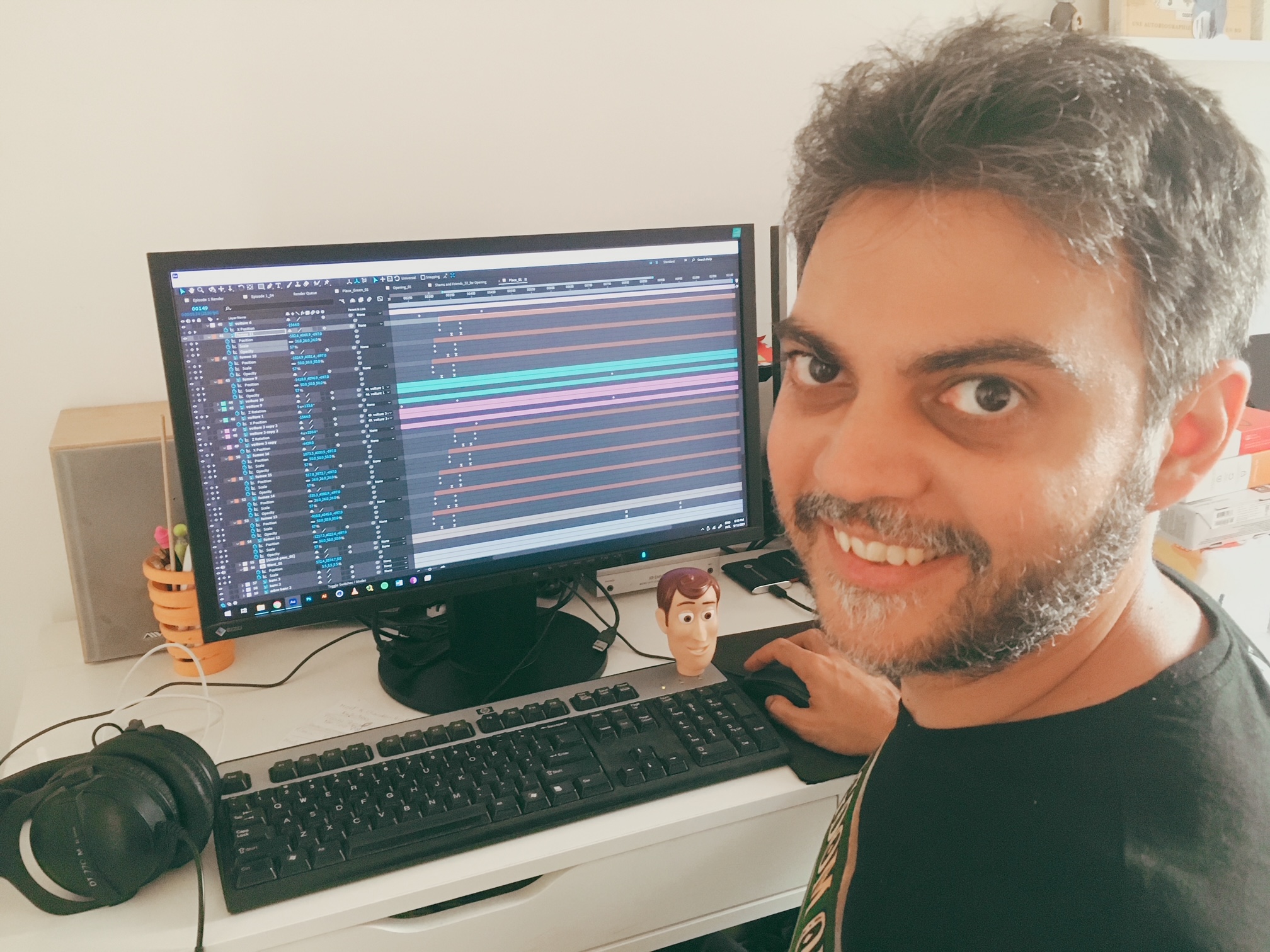
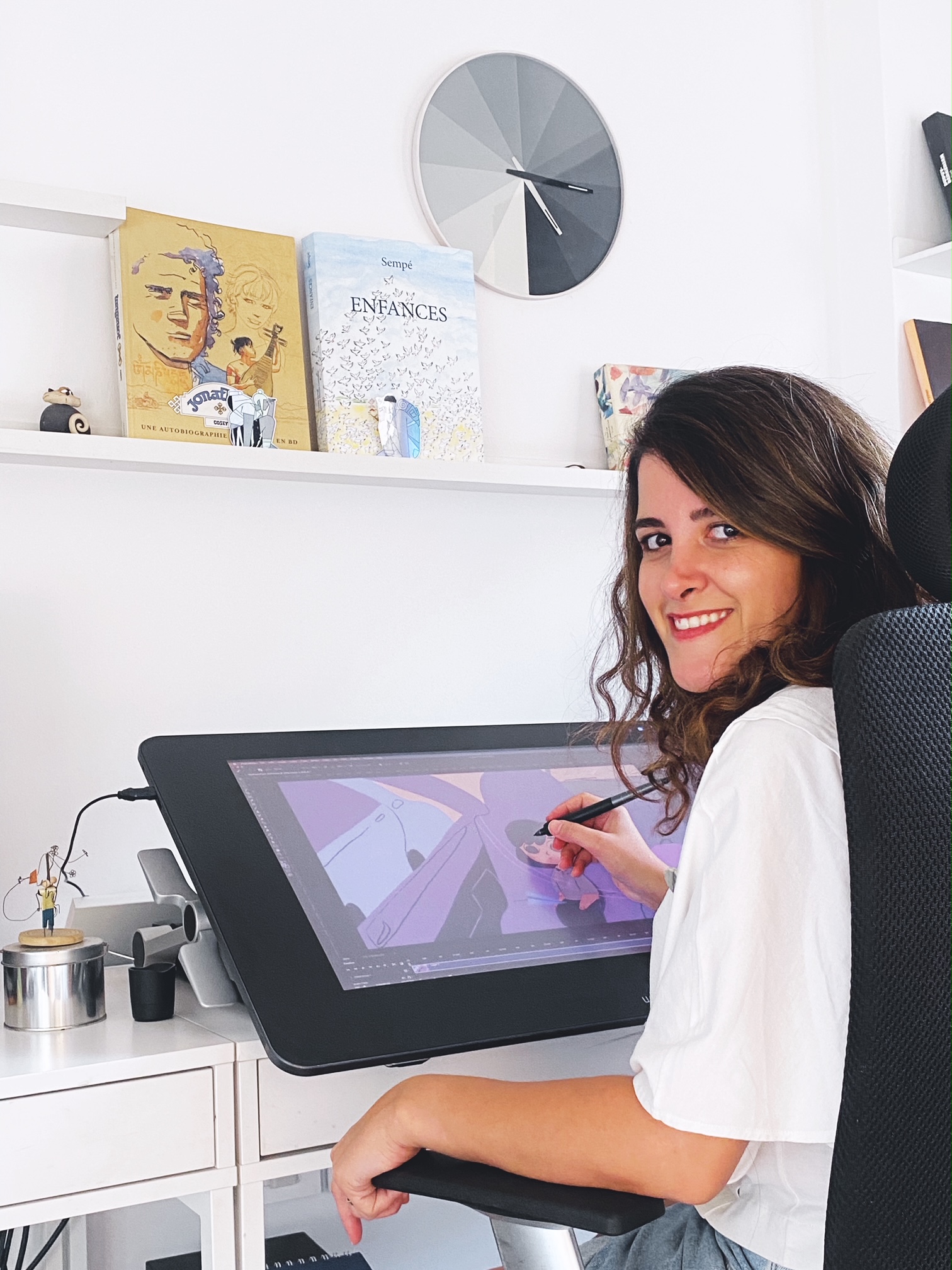
A behind-the-scenes look of the team and character designs. [Tic Motion]
Stylization is an important part of our illustration approach. We stay away from realism. In addition to giving us an easily identifiable style, it also makes our story more universal by leaving enough room for the viewers to project their own feelings onto the screen. We aimed at communicating the message in a clear way so that children and their parents could identify and their peers could connect to the story.
"The Paper Plane" had to be as accessible as possible to persons with learning difficulties. We also worked with a sign language interpreter to make a version of the video for the deaf and hard of hearing.
The film was created with the support of CLES for a cause. What was it like creating a project With a social impact? Were there limitations to your ideas? Was it fully collaborative between your studio and the people behind the idea?
The idea came from Grace Khawam and Walid Sarrouh. Grace, who is a disability inclusion consultant and Walid, who also composed the film’s music, worked closely with scriptwriter Raya Boustany to craft a script that not only accurately describes the issues related to the specific needs of children with learning difficulties, but also presents those children in a positive light. We all agreed we wanted to focus on what children with learning difficulties can achieve when provided with the appropriate help, rather than highlighting what they can’t do.
The team at CLES never behaved as a client. We were totally free to do the film we wanted. They were here to answer our questions whenever we needed guidance.
We collaborated with the animation duo Siew May Khoo and Jay Septimo. We had been fans of their work for a long time and some of their videos were among the references we presented to CLES when we applied for the grant. We were very glad they were available and interested.
A film that has a social impact can have a direct effect on people’s lives. Visuals and sound all work together to serve the meaning. While we certainly had aesthetic considerations while working, they were always at the service of the message.
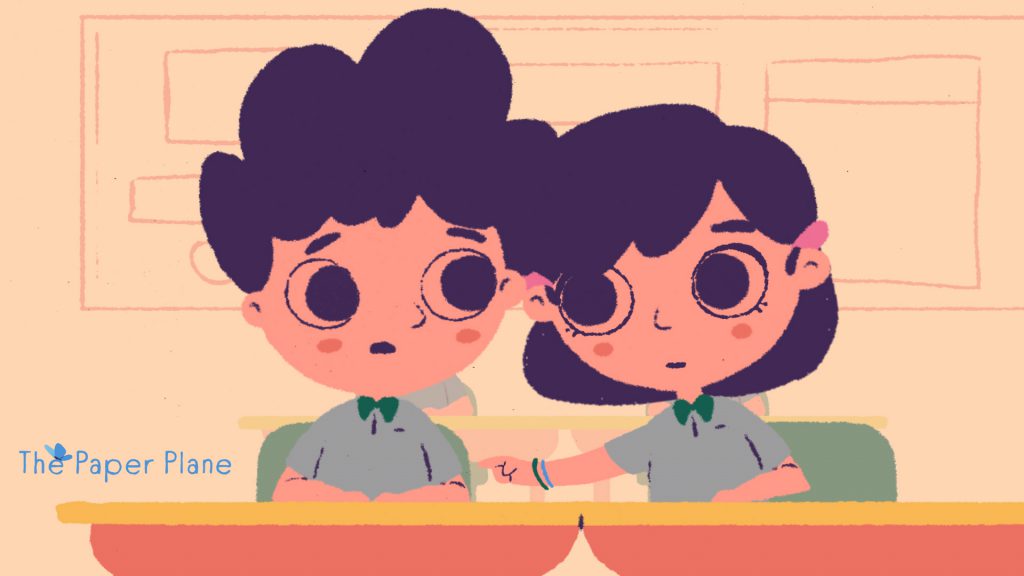
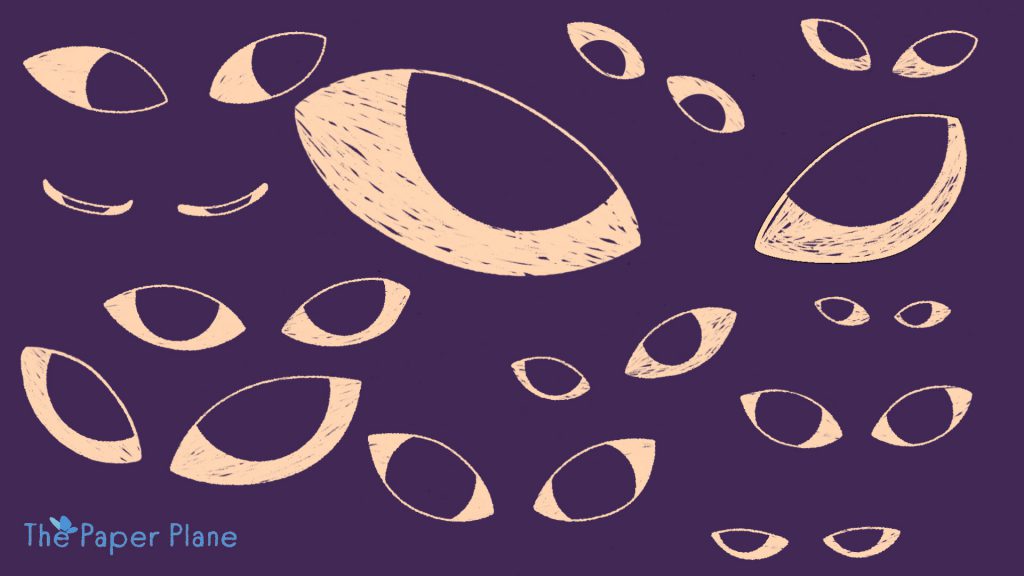
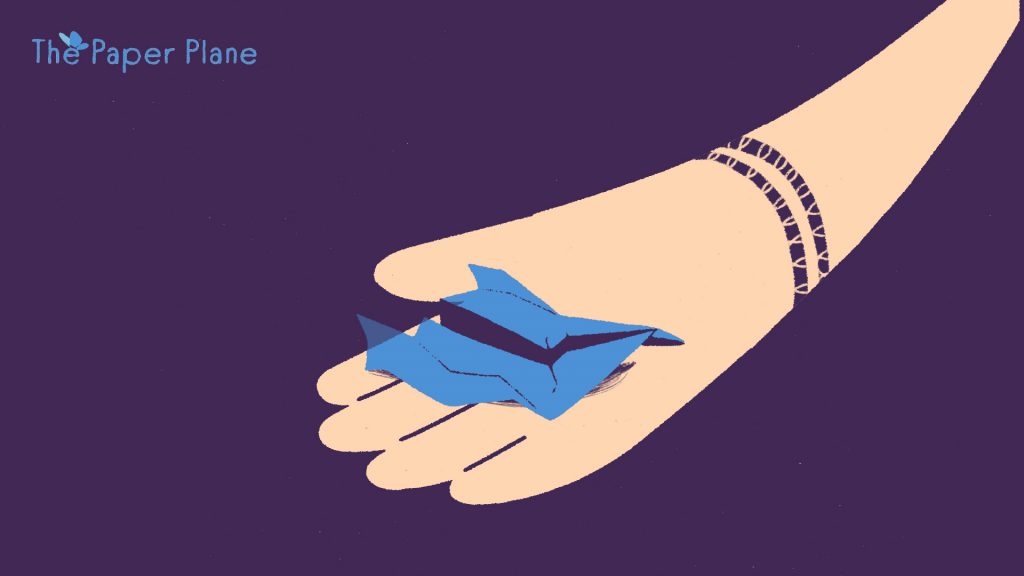
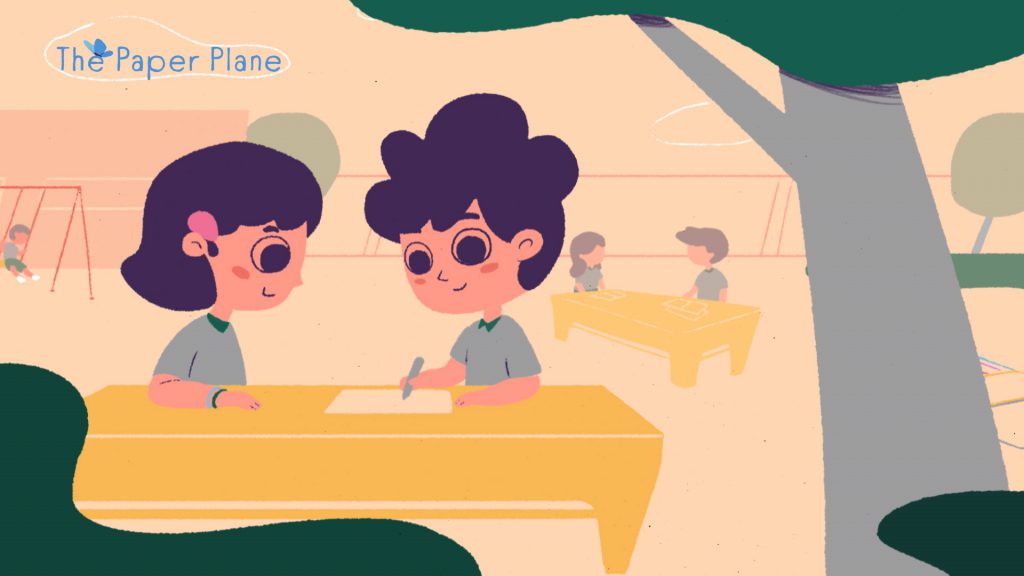
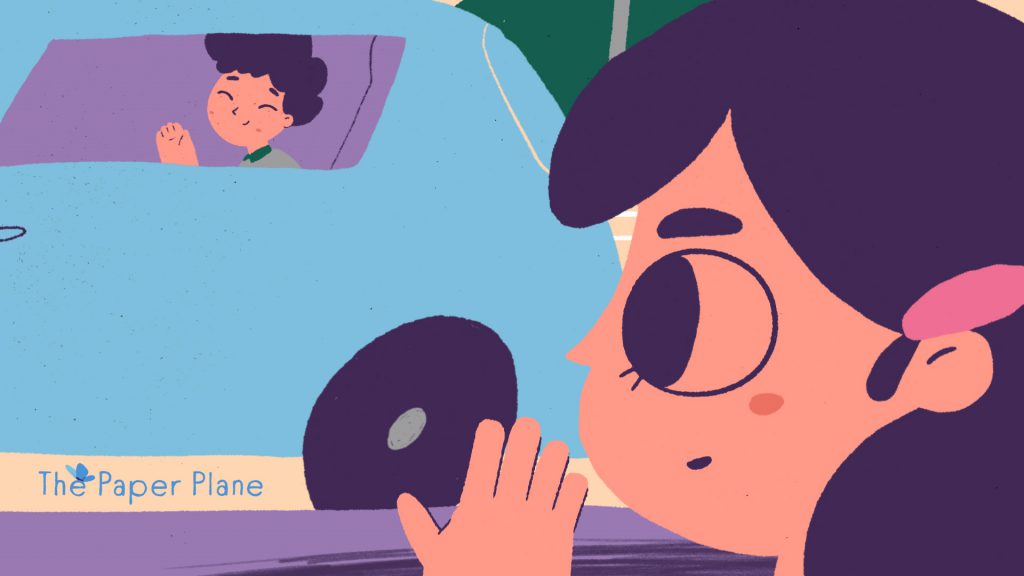
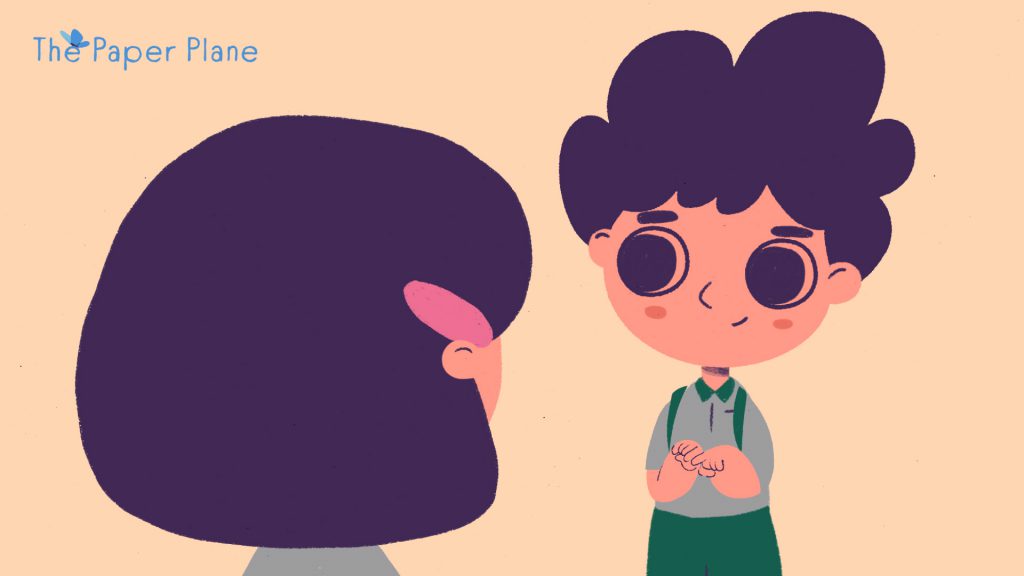
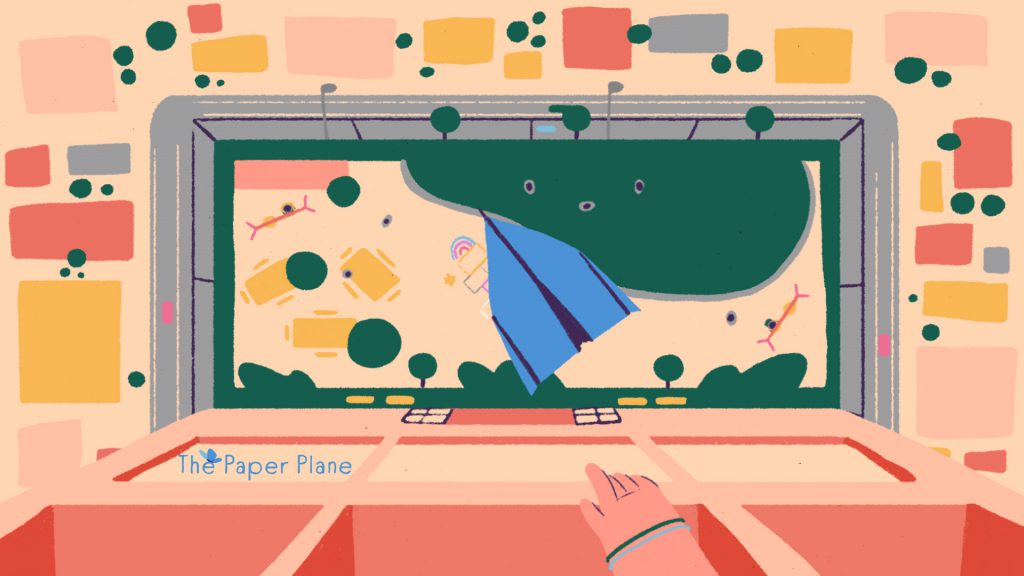
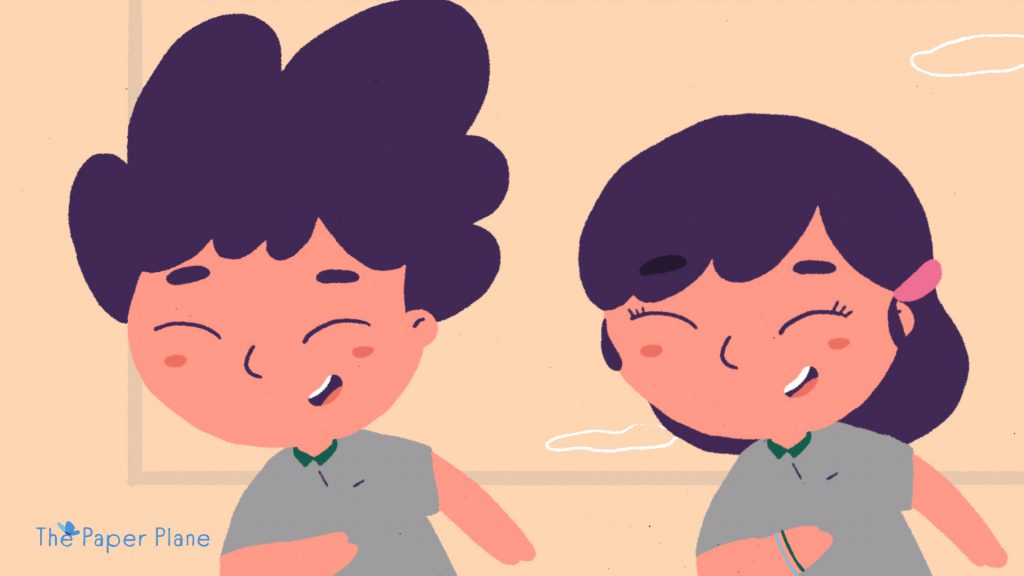
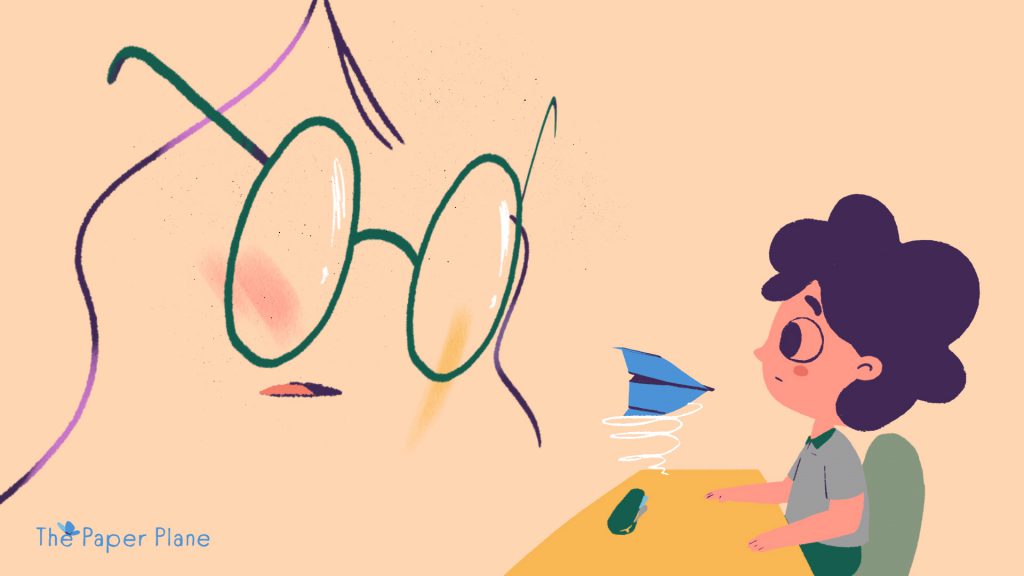
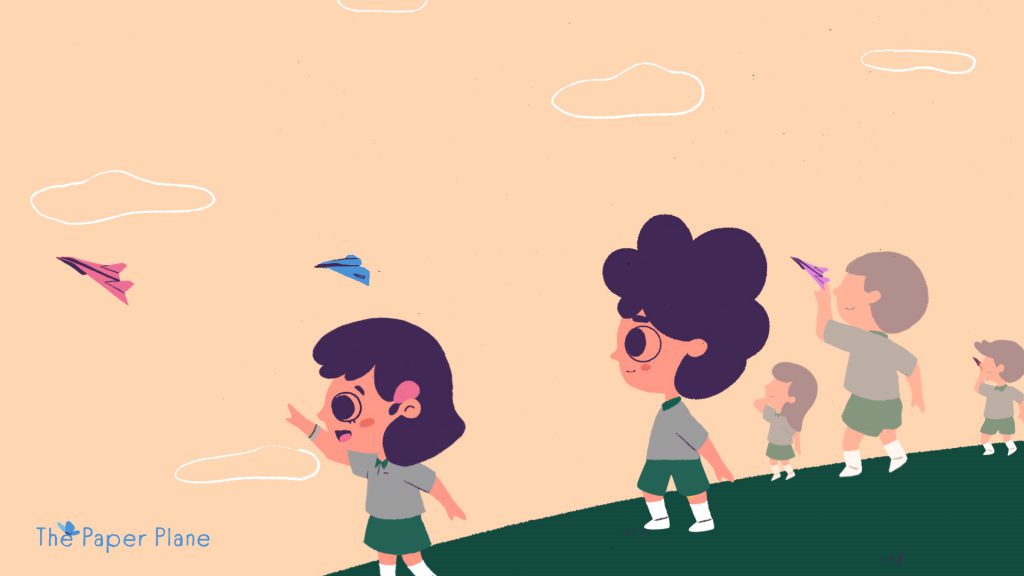
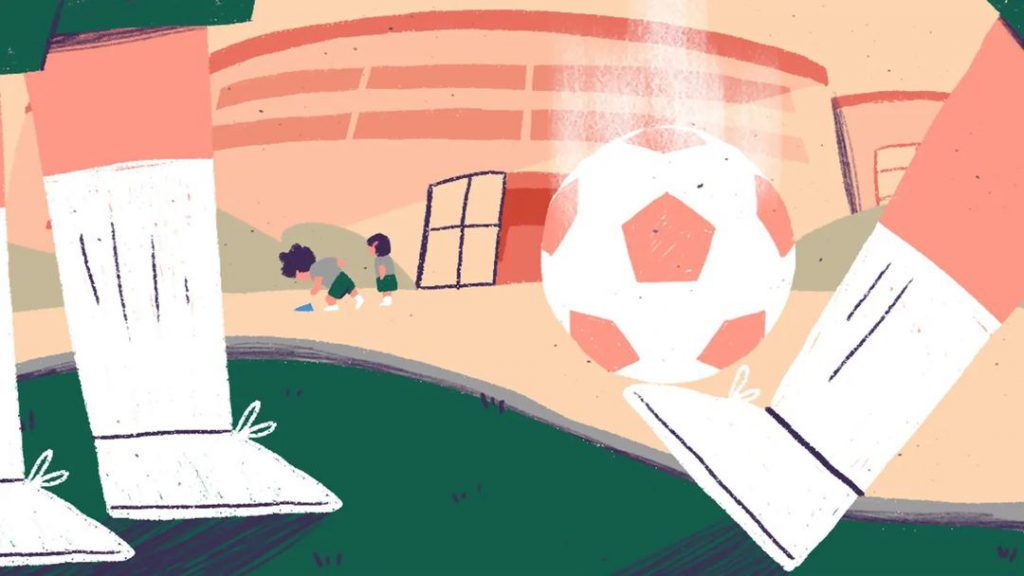
Stills from "The Paper Plane". [Tic Motion]
Any anecdotes, fun facts or challenges during the process you would like to share?
We had never truly worked on a short film, which has a pace and feels different from most of our work. The majority of the time, the videos we produce are fighting for your attention when you're scrolling. But this time, it was a different experience, we were working on a 5-minute narrative animation. We wanted to make our two main characters the main focus and keep the animation complementing with subtle movements, a slower cinematic rhythm, and longer shots.
A fun fact for the musicians out there, Walid Sarrouh used the 5/4 time signature for the music of the film because it is just as good as regular 4/4, just different. Just like any other child, a kid with learning difficulties can reach her goals albeit a little differently.
What is one key piece of advice or a tip/trick related to the technique used in your project?
Surround yourself with incredible illustrators, animators, and artists to be constantly inspired and remind yourself of how much more there is to learn. Mostly keep practicing and doing what you love. Don’t be afraid to say no to a project that does not fit your vision. The right one will come along.
The Paper Plane from Tic Motion on Vimeo.
Categories: Behind the Animatic