“Dounia and the Princess of Aleppo”: Presenting the Syrian War to a Younger Audience
War, migration, and the plight of refugee are central themes of "Dounia and the Princess of Aleppo", but directors Marya Zarif and André Kadi tactfully unfold a story that is accessible for all ages.
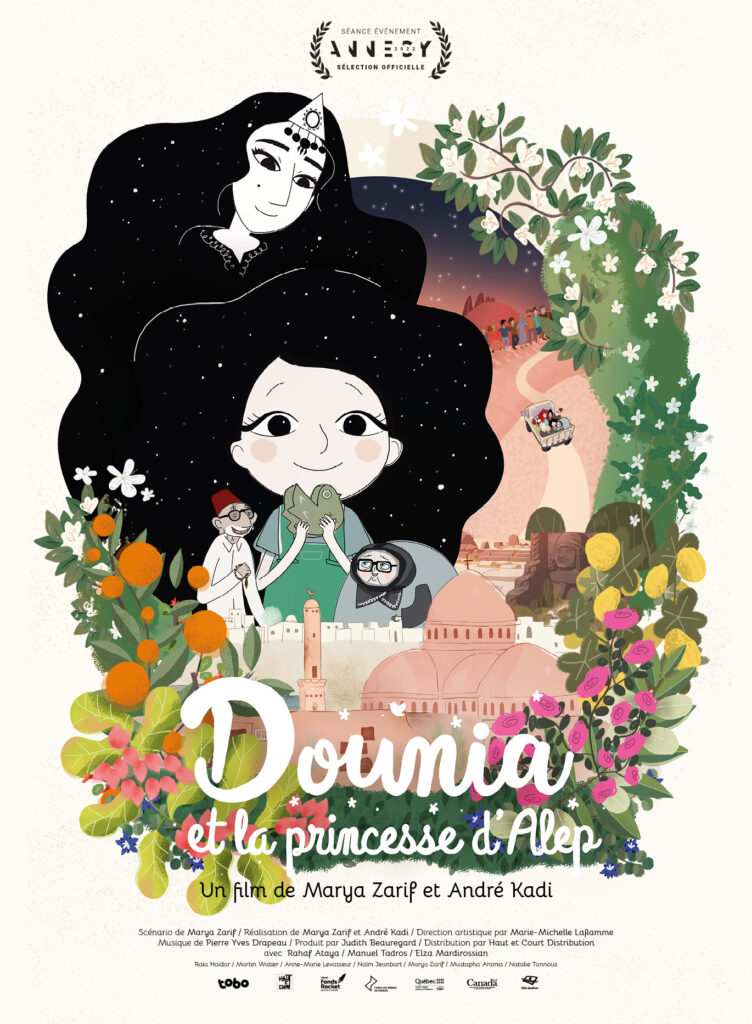
The synopsis of "Dounia and the Princess of Aleppo" reads like a fantasy film:
“A few nigella seeds tucked in the palm of her hand, six-year-old Dounia leaves Aleppo with the Princess of Aleppo's help and travels towards a new world.”
While the film’s second half heavily relies on the fantastical to push its events forward, it is firmly rooted in a grim reality with the Syrian civil war as its backdrop. But just like its protagonist, the film’s outlook is never too forbidding, as directors Marya Zarif and André Kadi approach complex and nuanced subject matter with an admirable subtlety that allows viewers to experience 2011 Aleppo through the eyes of young Dounia.
The film opens on a monologue from its young protagonist describing the day she was born and sets up a beautiful portrayal of a lively Aleppo.
“When I was born, I let out a scream so loud that the church bells rang and the Mouazzen in the big mosque called out for prayer,” Dounia tells viewers. She is cradled by her father Nour, whose “name means light”, mother Leyla, whose “name means night,” grandmother Teta Mouné, and grandfather Jeddo Darwich. But soon after, tragedy creeps into Dounia’s life as Leyla falls ill and passes away. To cope with death, Dounia grows up to tales where her mother is cast as a magical princess, dubbed the Princess of Aleppo, who sits beside the King of the Clouds, and the stars of her hair and moon of her face illuminates the night sky.
In the following years, Dounia spends her days tucked away at home with her Teta Mouné learning about the intricacies of Aleppian cuisine and spends her nights with her father Nour listening to tales of old and new. This peace is eventually shattered when her father is arrested by men in uniform. Dounia doesn’t see him ever again nor does she get answers as to why he's taken or by whom - the film progresses in this spirit of 'unknowingness'.
The start of the war happens almost in the background, with hints of it appearing at first via TV broadcasts and price spikes at the souk, unbeknownst to Dounia. However, the war becomes inescapable after bombs hit close to and eventually in her home.
“I don’t like war,” she cries to Jeddo Darwiche after facing soldiers patrolling the streets moments before the big disaster strikes.
“There is a need in the kids film industry today to hear about populations we don’t hear about."
A perilous journey follows, as Dounia, Teta Mouné, Jeddo Darwiche, and friends cross land borders and stormy seas to search for a new, safe home. Dounia, with reassurances from Jeddo Darwiche that home lies ahead and guidance from her mother princess, resorts to her magical nigella seeds - which she hides away in her pockets one day while making Shallal cheese (Syrian string cheese) with her Teta - to keep herself and loved ones safe. It is in these confrontations between fantastical and reality, optimism and fatalism, in which the film really shines, both in its technically impressive visuals and the sheer likability of a leading character like Dounia who never falters in the face of adversity.
Sadness and hopelessness do not linger throughout Dounia, and momentary conflicts are often resolved quickly, which makes for a captivating 74 minute runtime despite the film’s many heart-rending moments. Ultimately, this thoughtful pacing is what helps keep the film grounded in a hopeful story it is trying to tell without veering off into morbidity and pathography.
"Dounia and the Princess of Aleppo" was produced by Canadian production company Tobo Media for the Télé-Québec television network. While that would put any film in a delicate position to tackle topics of the Syrian civil war and plight of refugees for a Western audience, creator and co-director Marya Zarif describes the two year and a half process of making "Dounia and the Princess of Aleppo" as "uncompromising".
Born and raised in Aleppo before leaving Syria at 20 years old prior to the war, Zarif affirms that Dounia’s story is one based on her own experience as an Aleppian, in addition to extensive interviews and research, which made producers’ initial reservations about the project a principal challenge for her to overcome. Zarif's eventual success in subverting expectations helped transform the project from an animated series to a feature film, with a complementary season 2 being released in February of this year.
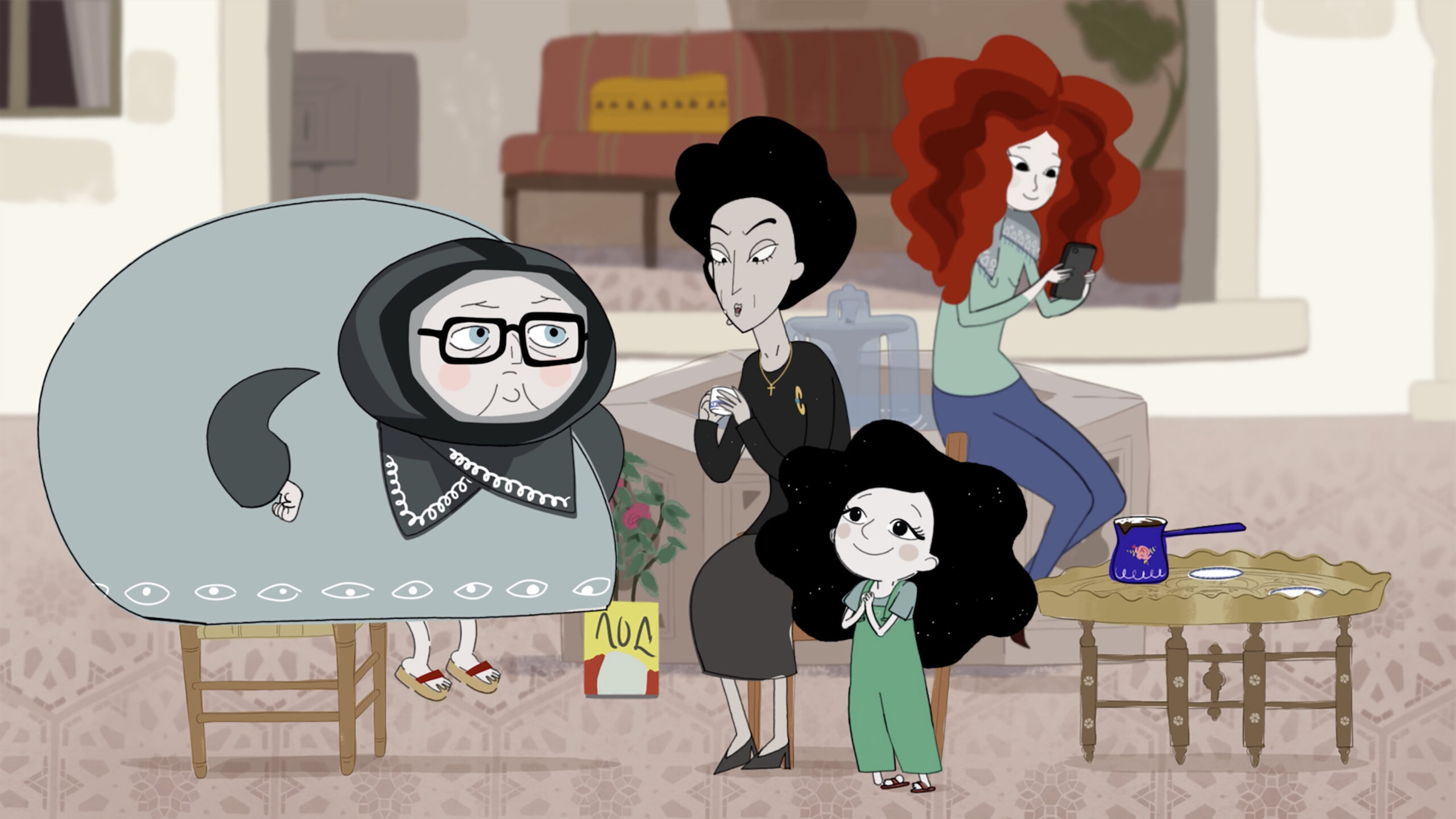
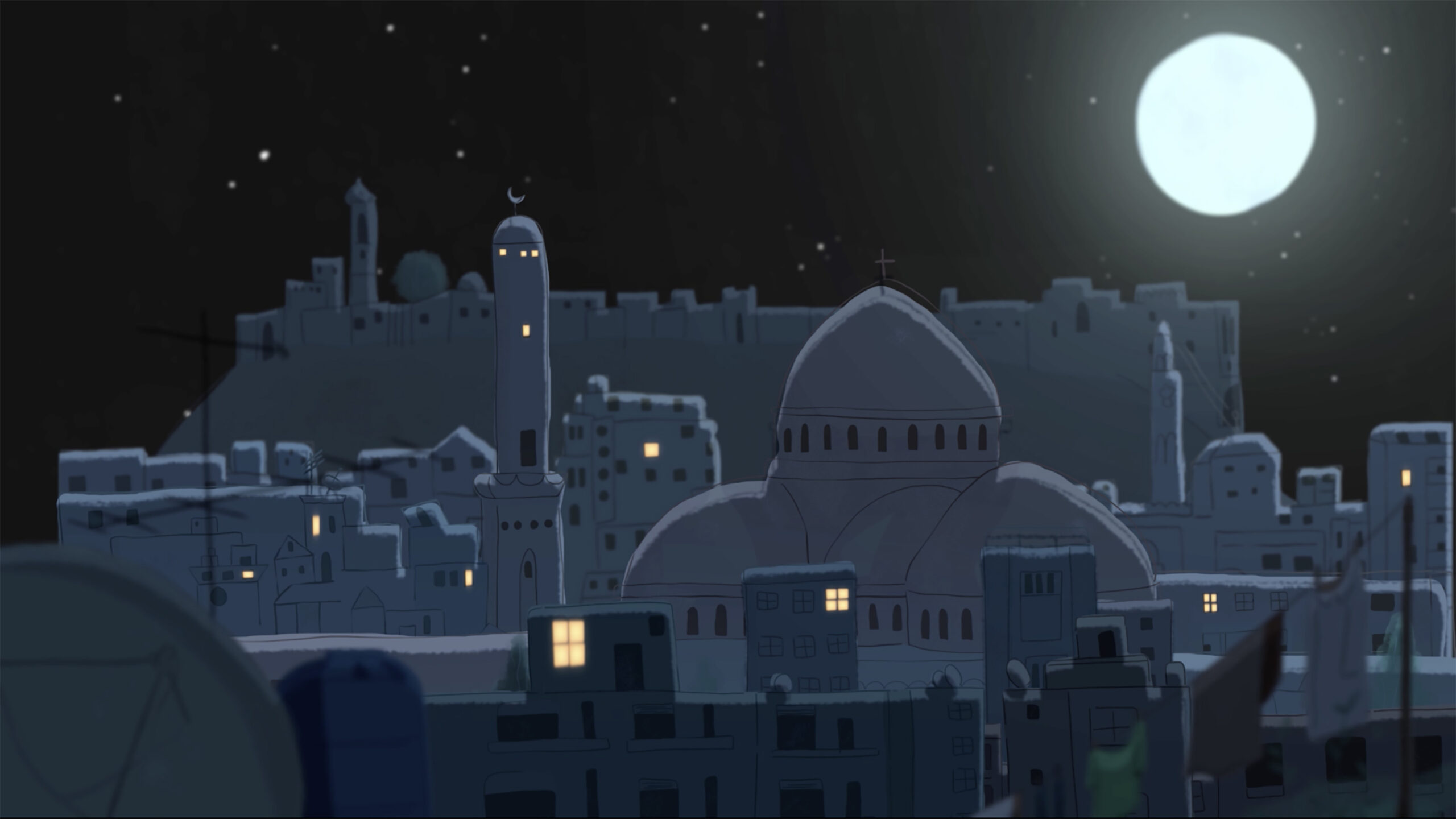
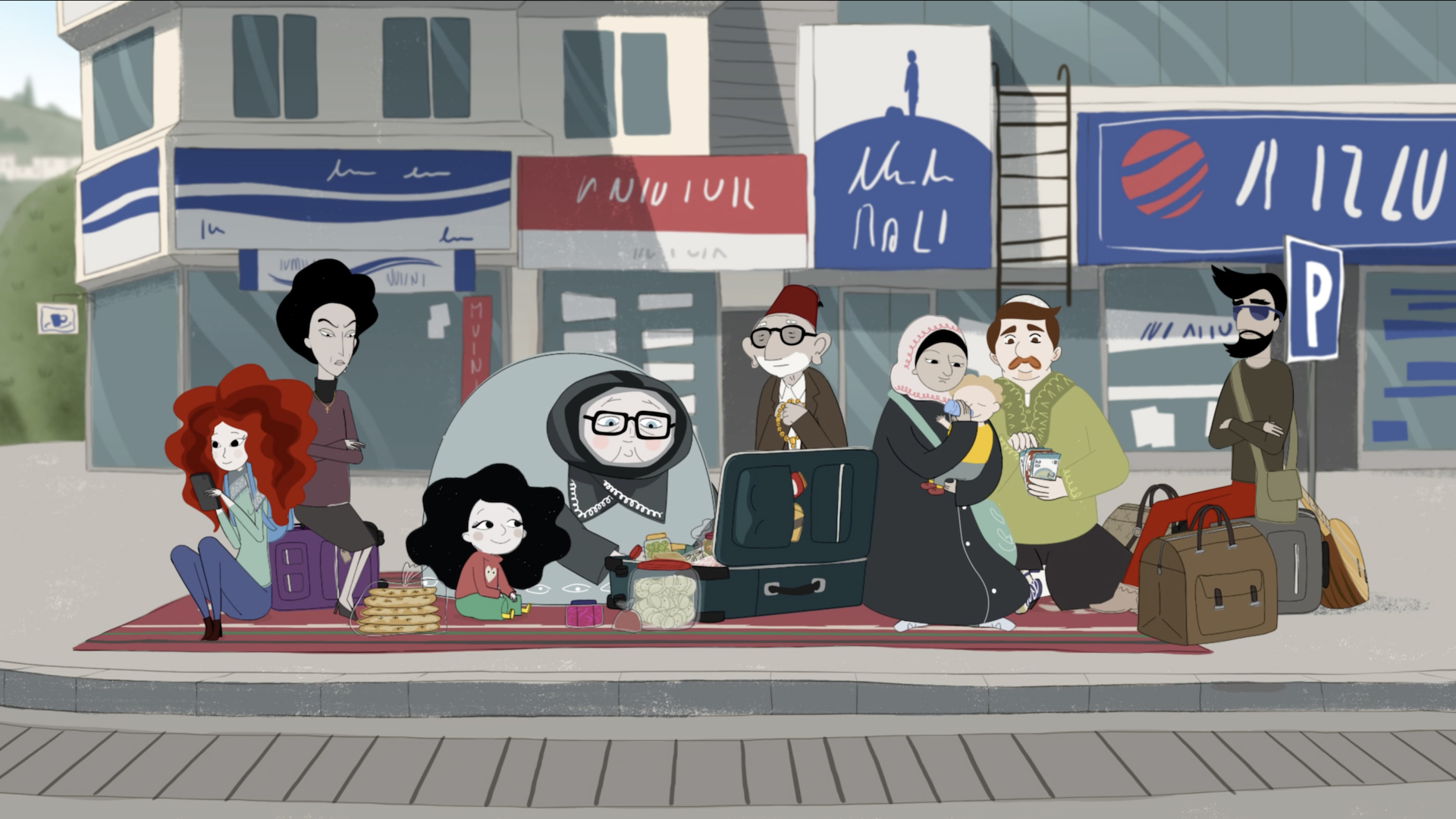
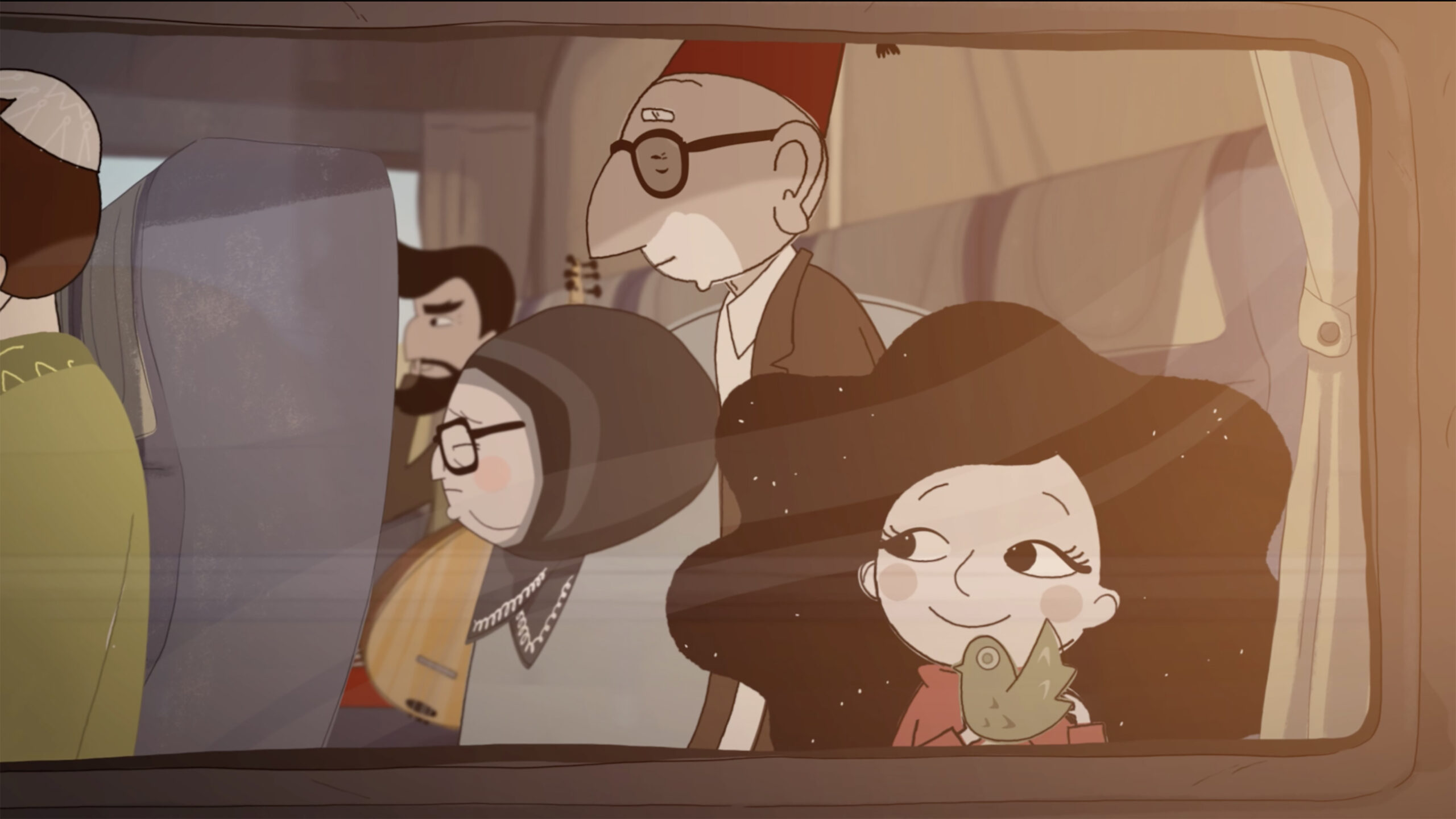
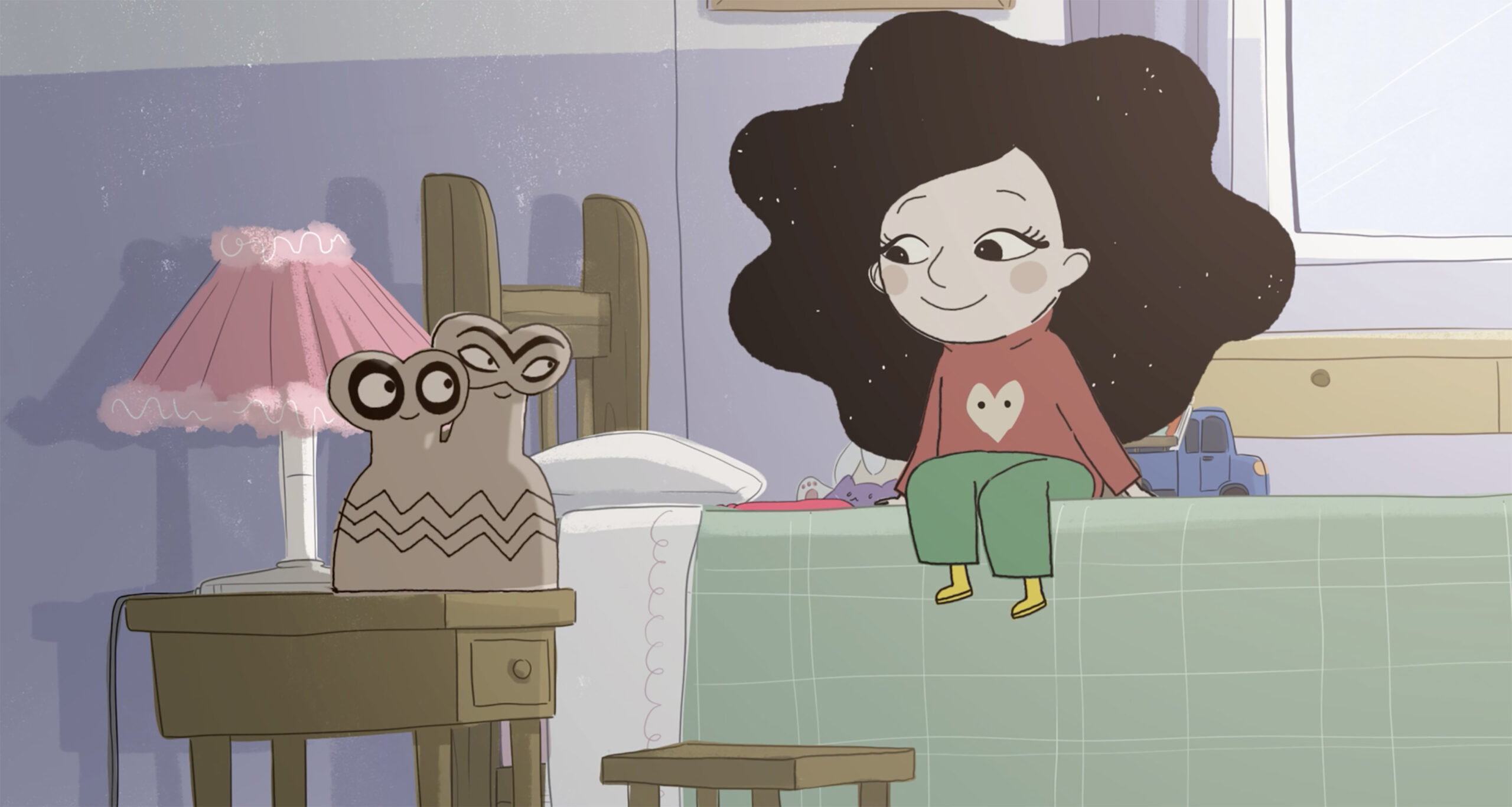
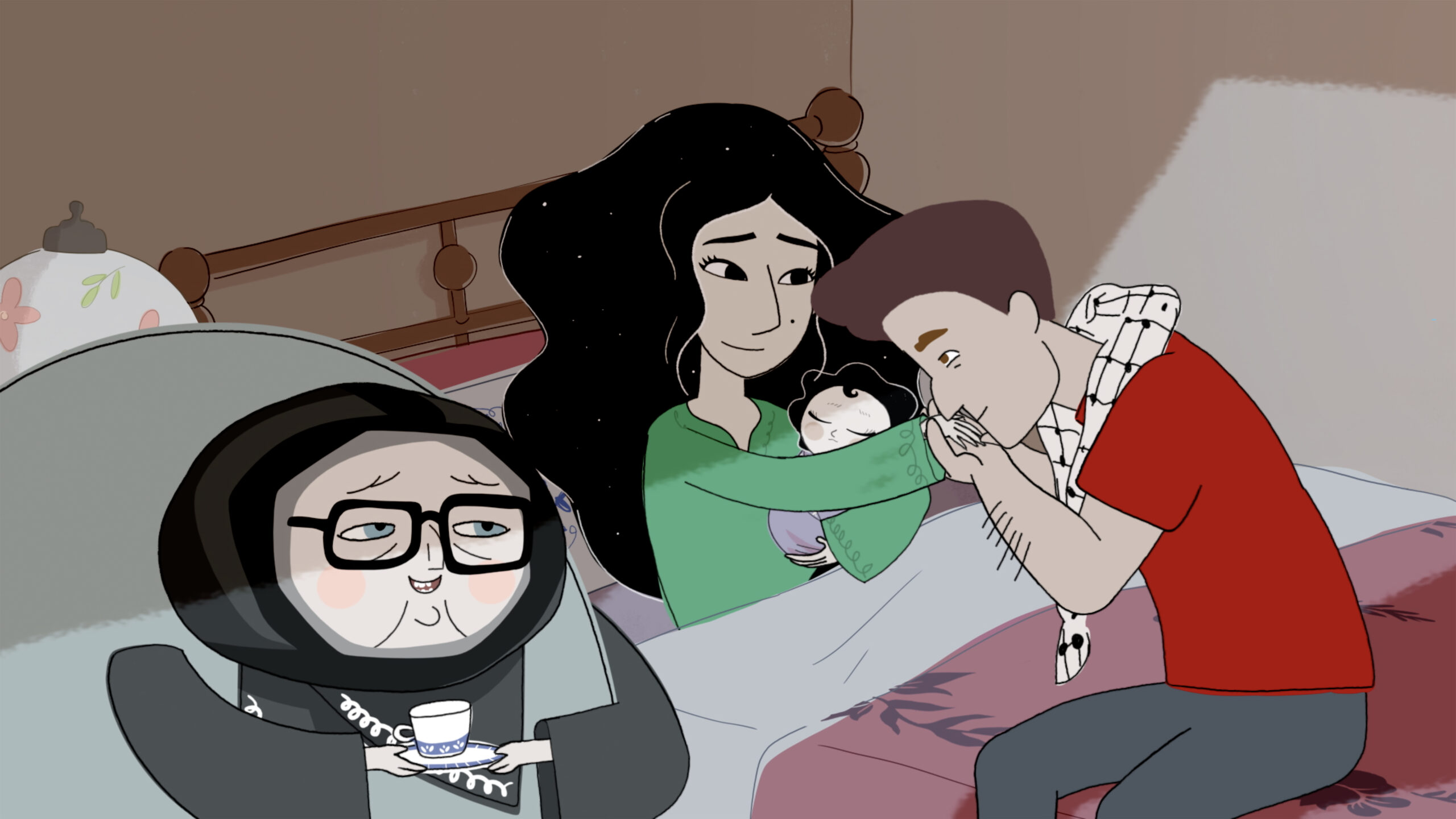
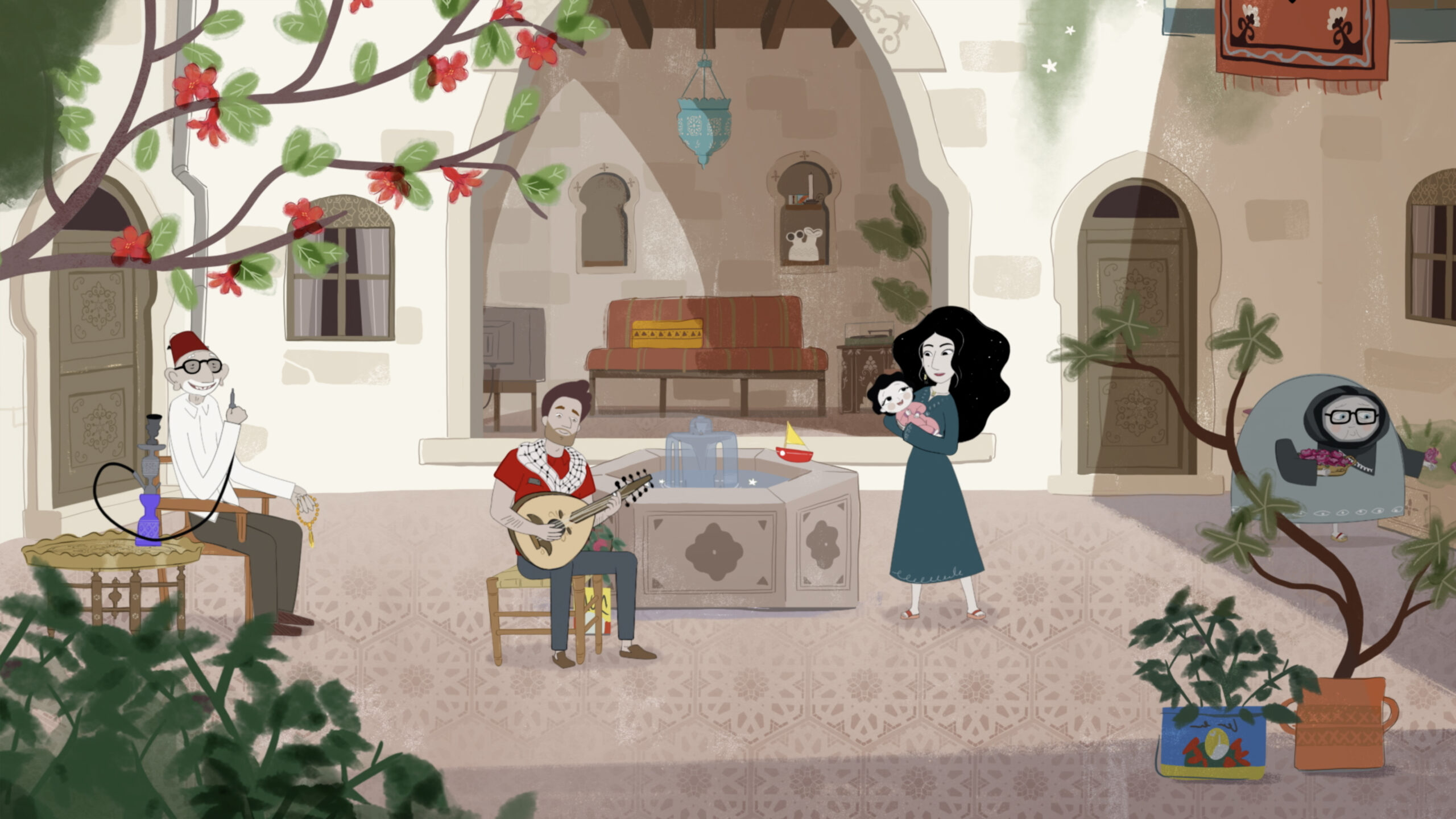
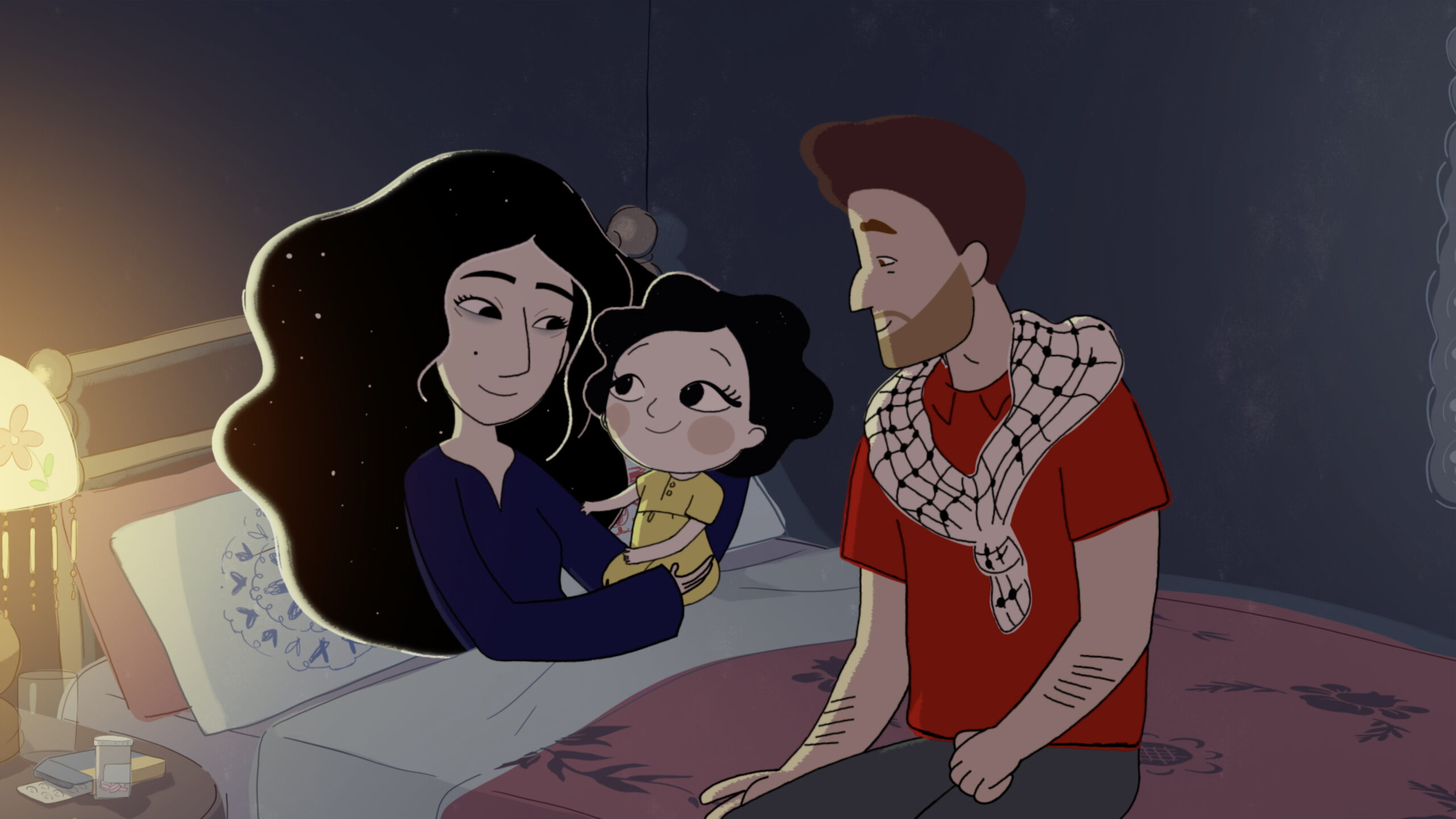
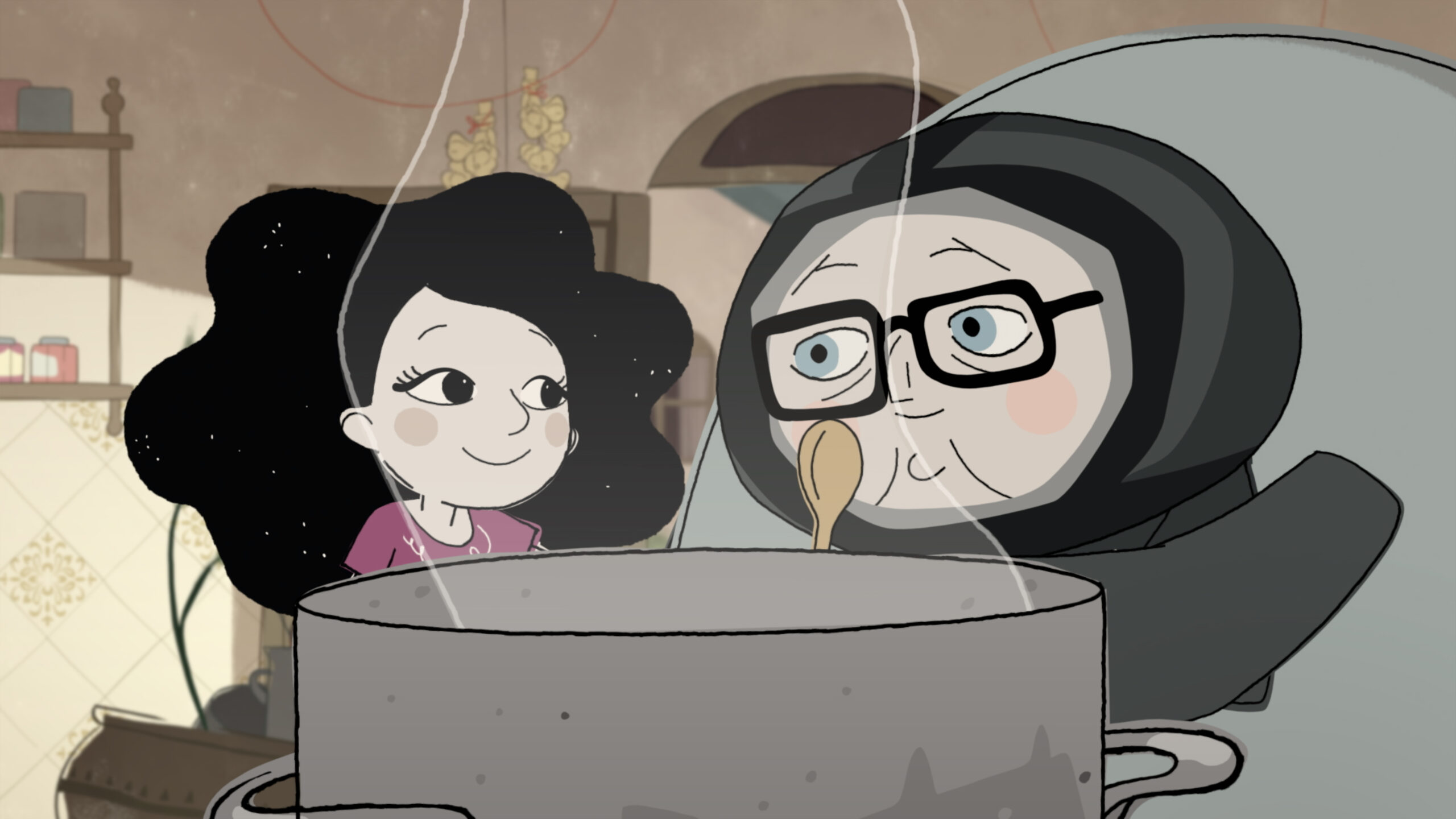
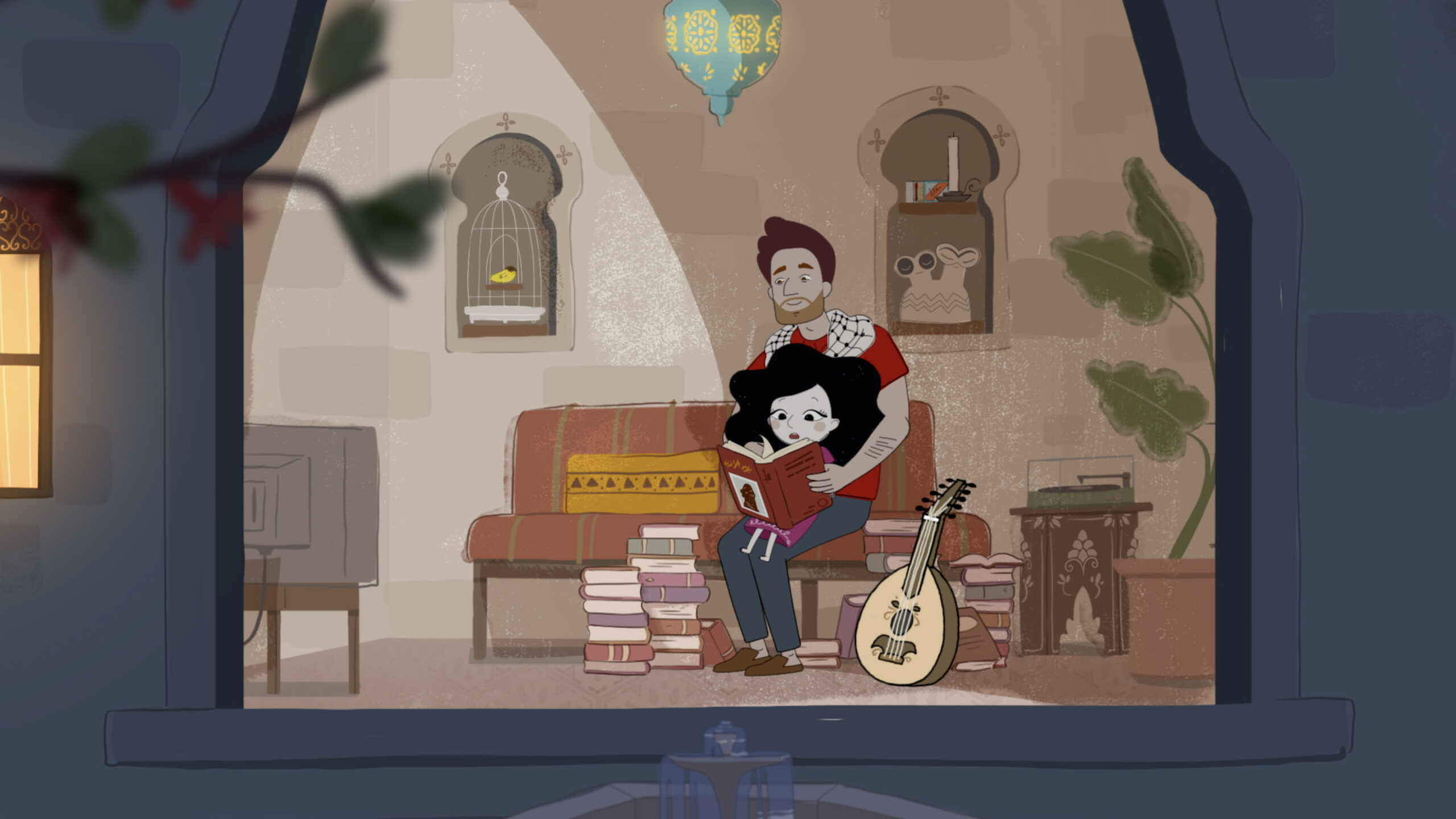
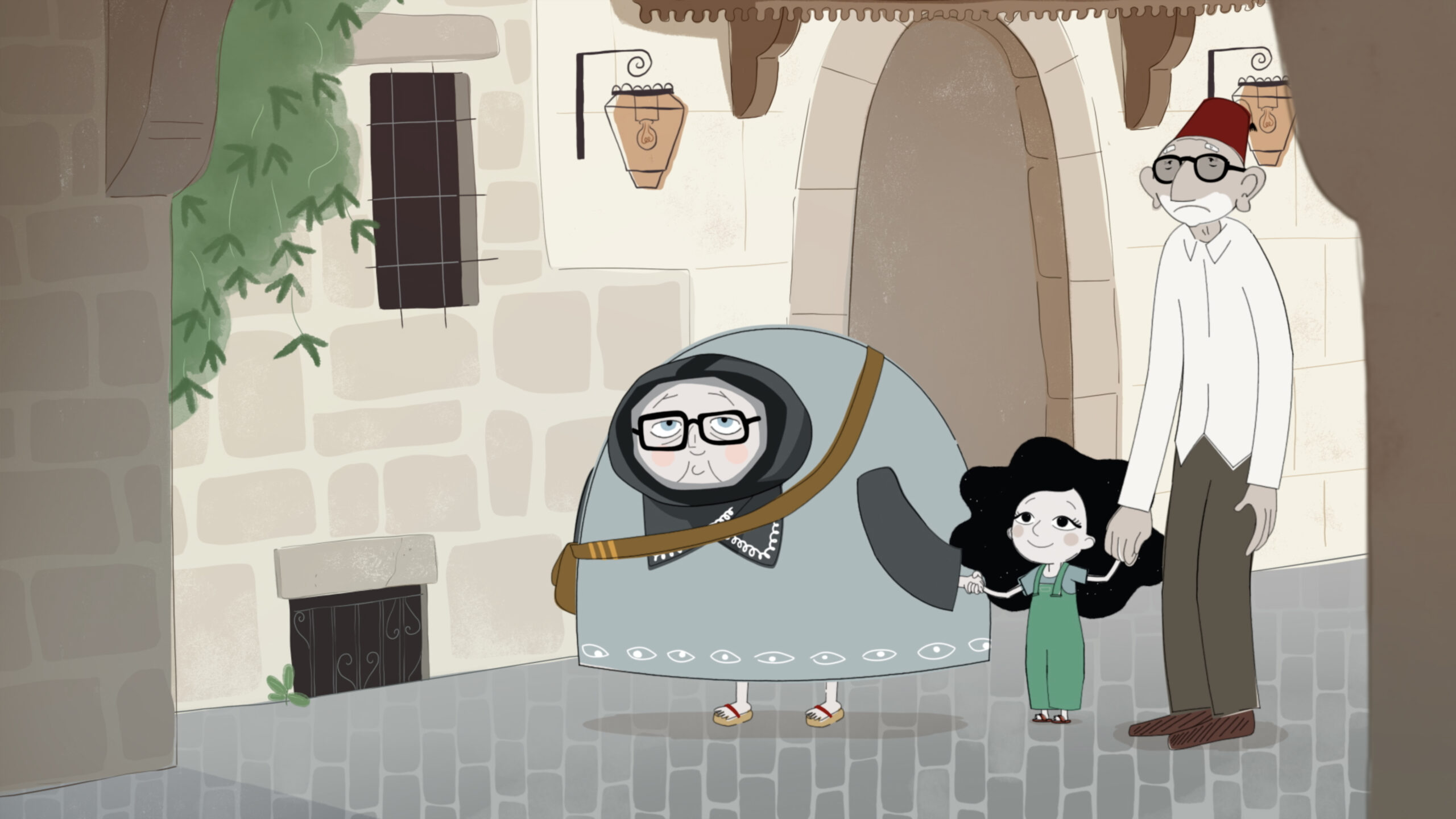
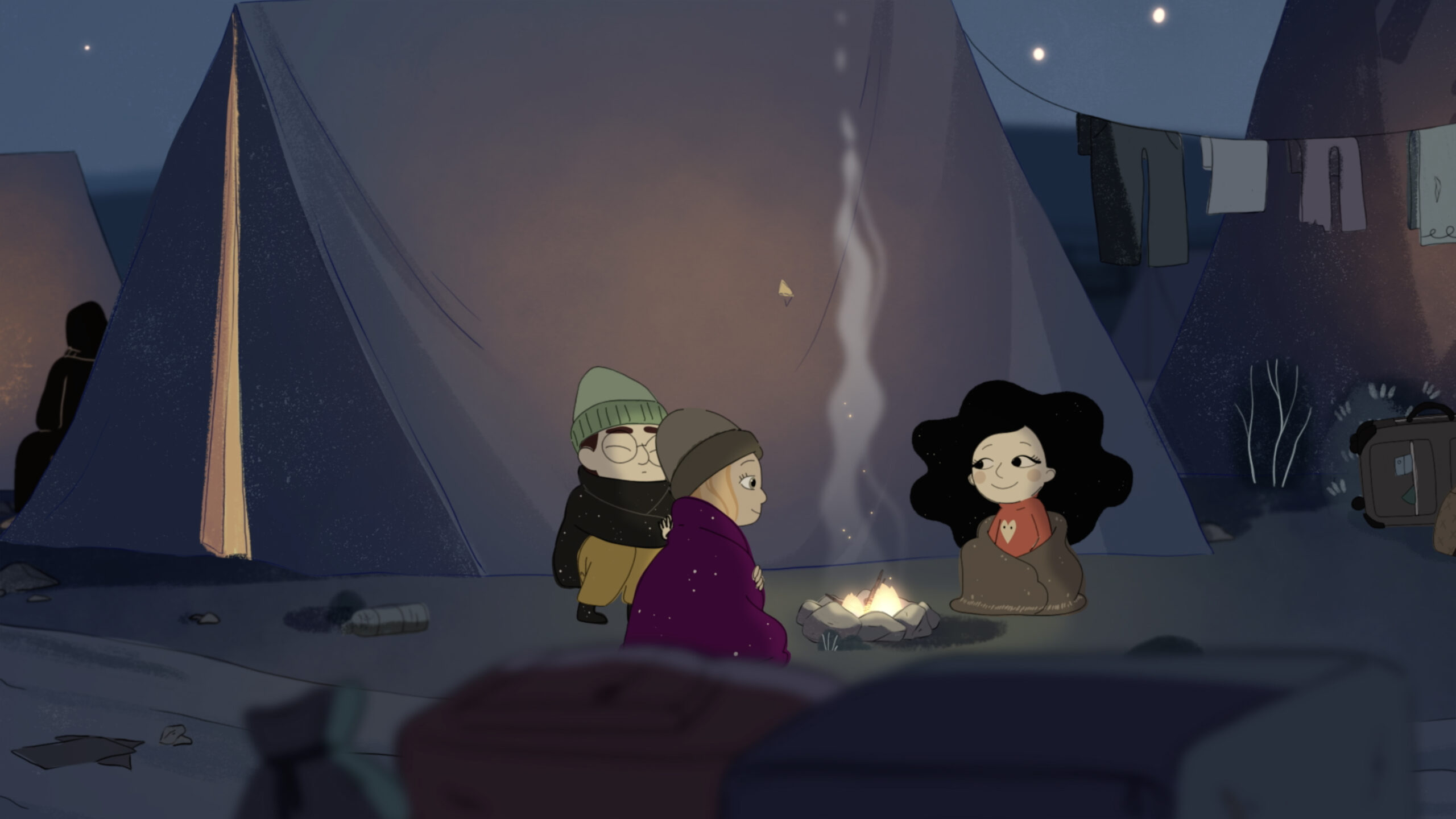
Stills from "Dounia and the Princess of Aleppo".
"There is a need in the kids film industry today to hear about populations we don’t hear about. And in the [producers'] minds the subject of the film was very fresh. They love Dounia now, but there were some challenges at first. Little things like the use of Arabic words, the amount of time in the film spent in Syria, and so on. But, I fought for these things, because the story would not be authentic otherwise," Zarif tells mt7rk.
“It was not challenging for me, because I refused to say that I was talking to Westerners or Arabs. I wanted to talk to children, to children’s hearts. As a creator and storyteller, I did not have to sacrifice my vision at all…The film’s [subject matter] is both a blessing and a curse," she adds. "And you can see it with the film’s distribution today in countries like France. Festivals love it. Critics love it. I have received many letters from Arab parents and their kids telling me how much they love Dounia. But, the general public is still a little timid about going to see it. To them, I guess a children’s cartoon talking about war is not that [inviting].”
An integral part of this uncompromising vision is Dounia’s presentation of Syrian heritage and culture through careful detail, providing an idealized image of pre-war Aleppo to its young audience. The illustration style, music, dialogue, and character design bring to life an “emotional map,” as Zarif describes it, of Syrian identity that draws on her own personal experiences growing up in Aleppo.
Despite the film’s economic animation style, it’s the blend of elements like Teta Mouné's wide frame and hijab, her neighbor Madame Dabbous’ thin frame and gold cross, the mosque and church intentionally situated side by side in cityscape, and other curated particularities that paint the deeper depiction of the diverse Aleppo that Zarif has in her mind. Details like the simplified Aghabani embroidery, a craft of Syrian origin, in the characters’ clothes and the rudimentary carvings on the tiles throughout the city are just enough to make the imagery distinctively Aleppian.
"I took Aleppo and wanted to give it to people in its basic form. If Aleppo could sing, what would she sing in the morning?"
One particularly powerful moment in the film involves Dounia and her grandparents looking over the ruin of their home while Ya Maryam El Bekr, a religious Arabic hymn sung about the Virgin Mary, plays in the background. Such is the function of music in "Dounia and the Princess of Aleppo", injecting the sounds of Aleppo into the alluring visuals on the screen and accompany Dounia's journey beyond borders, the open sea, and military camps.
"I took Aleppo and wanted to give it to people in its basic form. If Aleppo could sing, what would she sing in the morning? She would sing something Soufi, because it’s part of our identity. Or Fajr prayer. What would she say in the afternoon while the church bells rang? At what moments is she folk? These are the questions I asked myself," Zarif explains.
Despite the film’s cheerful ending, Dounia eventually comes to a close on a black frame with some familiar statistics regarding the Syrian civil war that bring viewers back to the film's central theme: 6.6 million citizens have fled Syria since 2011, and another 6 million have been displaced within the country.
When asked about the importance of an animated children’s film like "Dounia and the Princess of Aleppo" to the already present body of work on the devastating war in Syria, Zarif is straight to the point: “What makes it special for me is seeing the resilience of the Syrian people and their endless capacity to stay alive… Of course, we are still living with lots of problems, but we’re still here! And we’re still telling real stories, sad stories, happy stories... I often smile when people tell me that the story is too tragic for children, as if the state of the world is not tragic!”
At its heart, "Dounia and the Princess of Aleppo" tells the story of a displaced child who is forced to flee her war-torn home country in search of a new home. And so, it is a family film that treads into unfamiliar territory for the genre, but does so lightly, much to its benefit.
War, migration, and the plight of the Syrian refugee are among the central themes of the film, but it’s the ability that directors Marya Zarif and André Kadi give viewers to see the events unfold through little Dounia’s eyes that grants the film both the simplicity to make it accessible to its young audience and the ability to tell a potent story to an older one.
Categories: Reviews